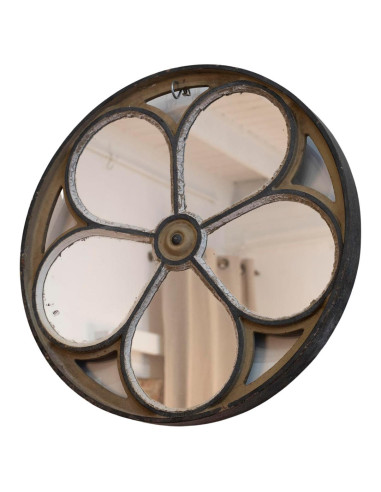
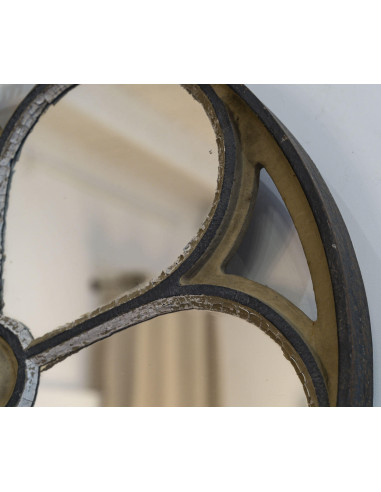
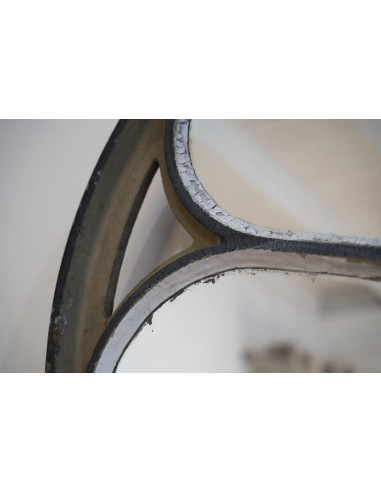
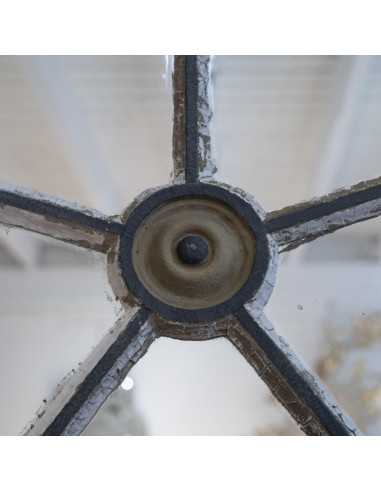
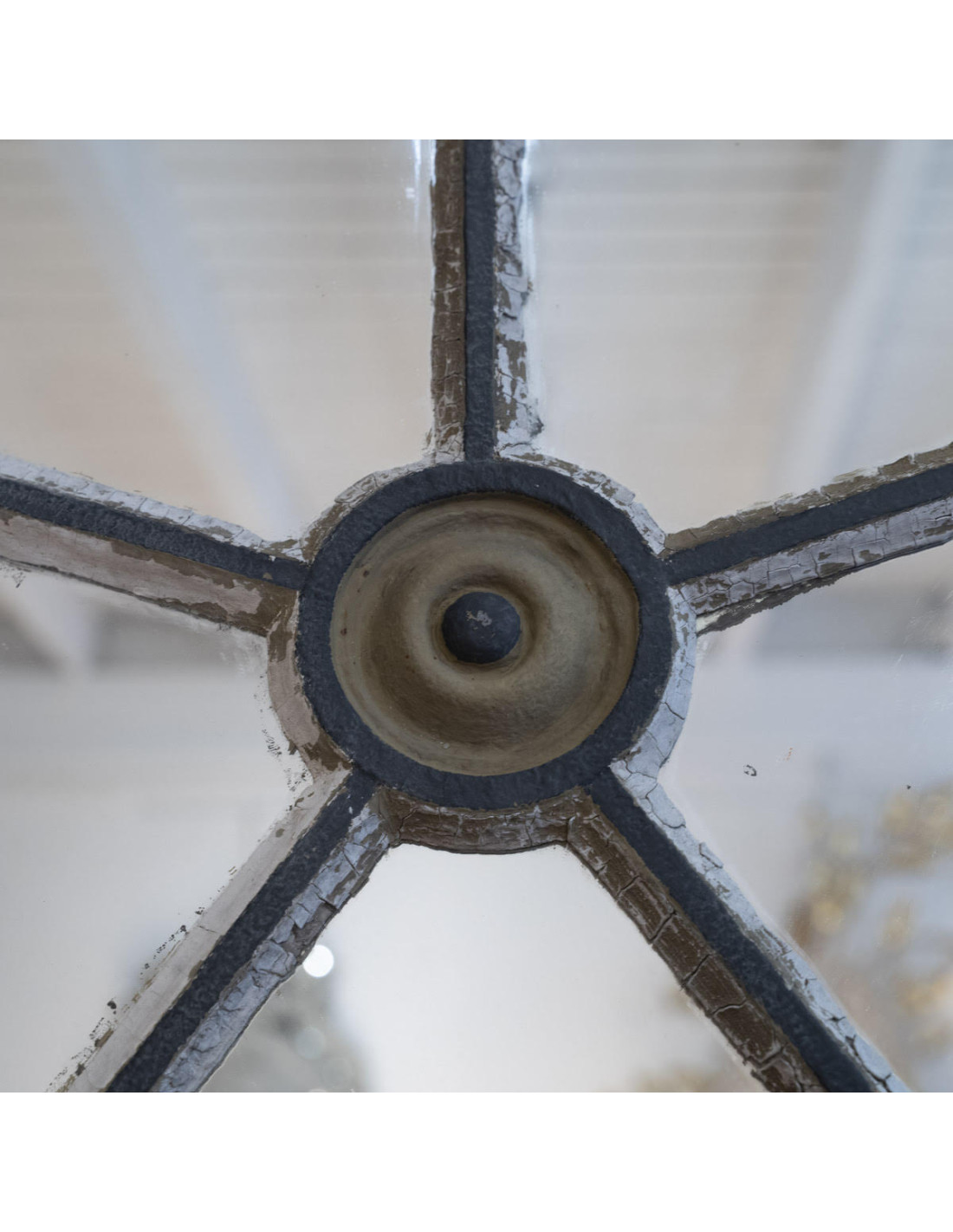
The Pavillon Baltard is part of an architectural ensemble designed in the 19th century Nineteenth century for Les Halles centrales de Paris, against a backdrop of capital city modernization. The pavilions designed by Victor Baltard, made of metal, glass and cast iron, embody the technical and aesthetic principles of the Second Empire. Their open, modular and largely glazed structure met the needs of a large food market, while illustrating the advances in industrial architecture of the period.
In the 1970, the decision to transform the Les Halles district led to the demolition of most of the pavilions. One of them was saved and dismantled to be transferred to the Plessis-Robinson, where he stayed for a while before finally relocating to Nogent-sur-Marne. This exceptional move preserves a rare example of 19th-century Parisian metal architecture.
The pavilion features a structure composed of cast-iron colonnades, of metal frames, the building features a vast interior volume and natural lighting from large openings. This architectural language, typical of Baltard, combines functionality, structural elegance and technical rigor. The building illustrates a time when metal was becoming a major construction material, enabling wider spans, illuminated roofs and a new freedom in the organization of space.
Its move to Nogent-sur-Marne gave it a new vocation. The building was restored to accommodate concerts, , exhibitions, , cultural events and Public events. This change of use underlines the ability of its structure to adapt to a variety of functions, demonstrating the contemporary relevance of its architecture. The open, modular interior retains the spirit of openness and circulation that characterized the original pavilions.
Today, the Pavillon Baltard is one of the last surviving examples of an ensemble that once formed a central element of the Parisian landscape. Its history, marked by design, relocation and rehabilitation, bears witness to the particular attention paid to safeguarding the city's architectural heritage. It remains a symbol of the link between 19th-century industrial techniques and current cultural uses.