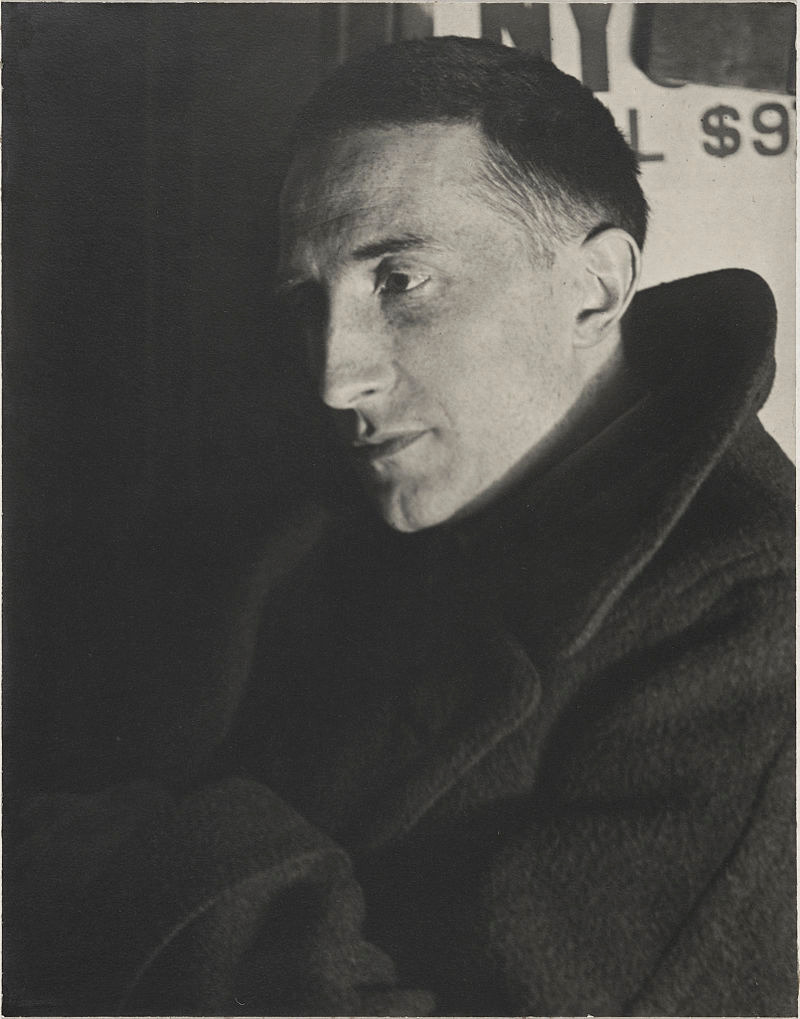
Marcel Duchamp, a pioneering figure in twentieth-century art, challenged traditional notions of sculpture and art itself. Born in France in 1887, his innovative approach to art would influence generations of artists to come.

Early life and influences

Duchamp's artistic journey began in a family of artists. His brothers, Raymond Duchamp-Villon and Jacques Villon, were also important figures in the art world. This creative environment nurtured Marcel's early interest in art, leading him to experiment with different mediums, including painting and sculpture.

The Birth of Conceptual Art

Duchamp's most important contribution to the art world was the development of conceptual art. He questioned the very essence of art, asking "What is art?" and "Can anything be considered art?". This philosophical approach led to the creation of his famous "readymades", everyday objects presented as art.

Famous Sculptures and Ready-Mades

Duchamp's most notable works include:

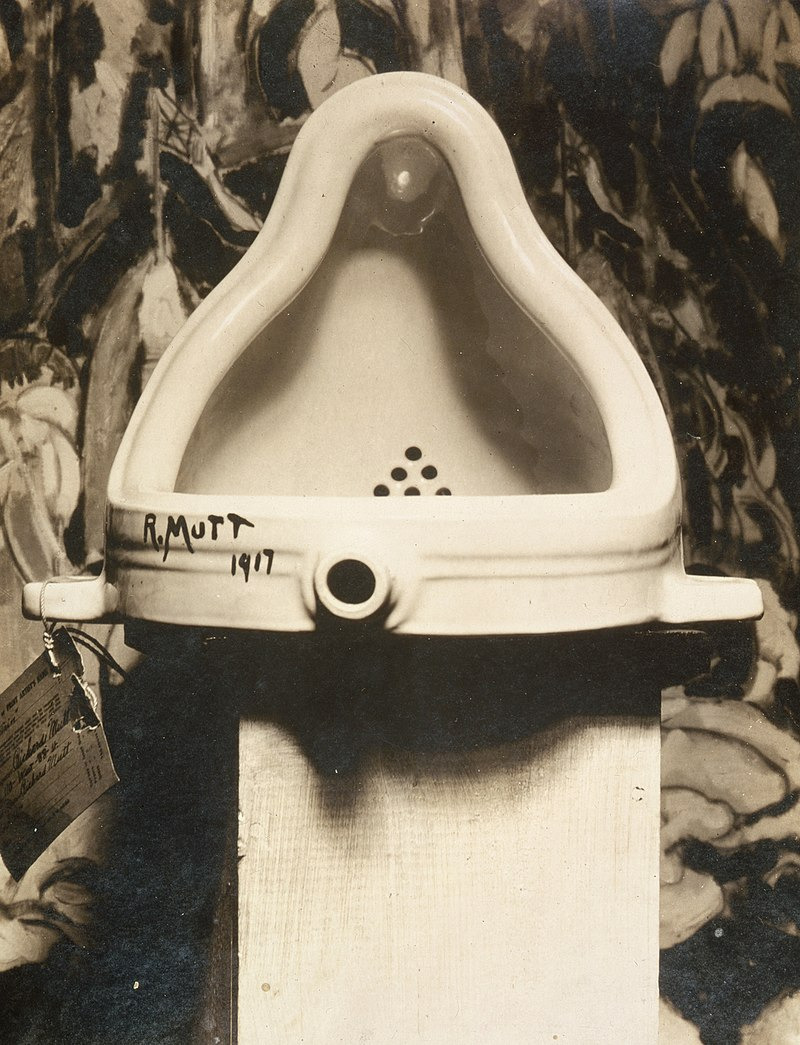
  • Fontaine (1917): A urinal signed "R. Mutt", which questions the notion of art.
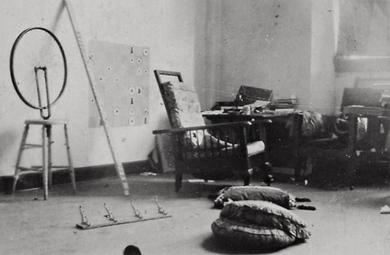
  • Roue de Bicyclette (1913): A bicycle wheel mounted on a stool, exploring the relationship between object and context.
  • En Avance sur le Bras Cassé (1915): A snow shovel suspended from the ceiling, highlighting the tension between function and art.

Techniques and innovations

Duchamp's innovative approach to sculpture involved:

  • Found Objects: Using everyday objects to create art.
  • Contextualization: Presenting objects in unexpected contexts to question their meaning.
  • Conceptualism: Prioritizing the idea behind the artwork over its physical execution.

Legacy and influence

Marcel Duchamp's influence on modern and contemporary art is immense. His ideas have inspired countless artists, including:

  • Pop Art: Artists such as Andy Warhol and Roy Lichtenstein were inspired by Duchamp's use of everyday objects and images.
  • Conceptual Art: Duchamp's emphasis on the idea behind the artwork paved the way for conceptual artists like Joseph Kosuth and John Baldessari.
  • Surrealism: Duchamp's use of unexpected contexts and found objects influenced Surrealist artists such as Salvador Dalí and René Magritte.

Marcel Duchamp's revolutionary approach to sculpture and art has left an indelible mark on the art world. His innovative use of found objects, contextualization and conceptualism continue to inspire artists and challenge our understanding of what art can be. As we continue to push the boundaries of art, Duchamp's legacy reminds us that the possibilities are infinite.

Comments (0)

Product added to wishlist