Roger Capron was born in 1922 in Vincennes. Trained in the applied arts, he took an early interest in drawing, painting and decorative techniques. At 1946, he moved to Vallauris, he opened his first studio at the height of the artistic renaissance. This marked a decisive turning point in his career. He played an active role in the post-war revival of French ceramics, working alongside other studios and designers who helped to move Vallauris production towards a more modern and personal approach.
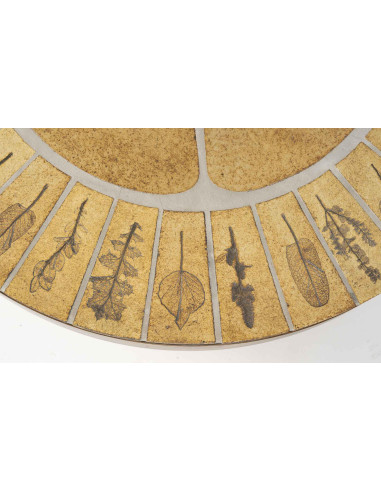
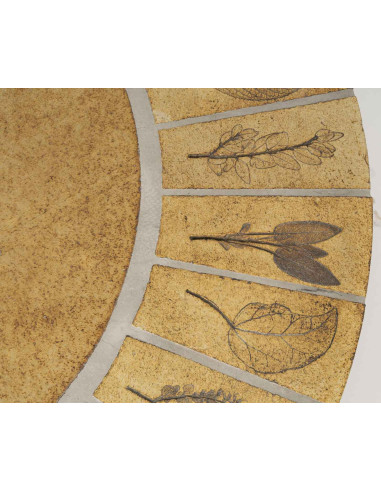
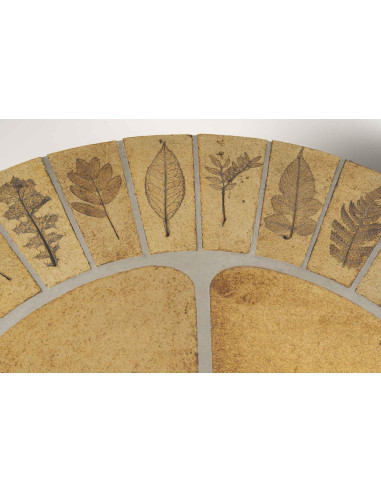
Capron's early works are part of an aesthetic that combines simplicity of form and richness of colour Colored enamels. He developed a decorative vocabulary based on stylized motifs, these motifs are inspired by nature, the human figure or graphic signs. These motifs appear on plates, tiles, vases or wall pieces. His work combines utility and artistic expression, and brings together design, material and color.
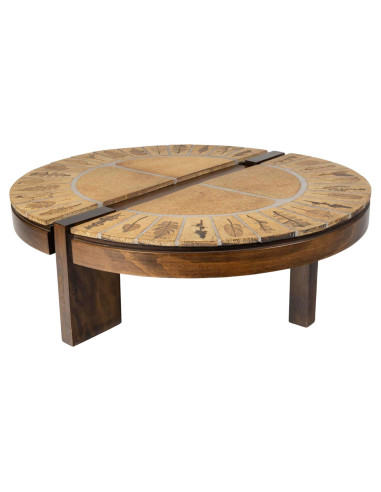
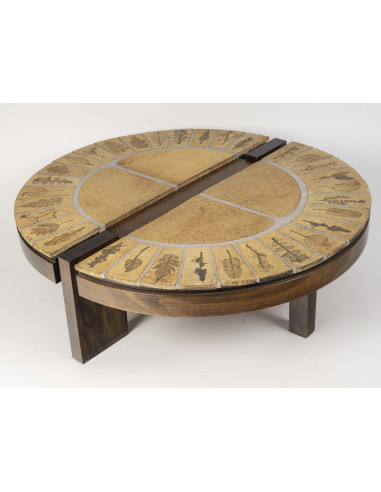
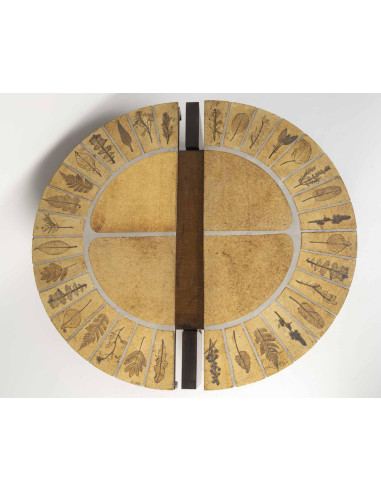
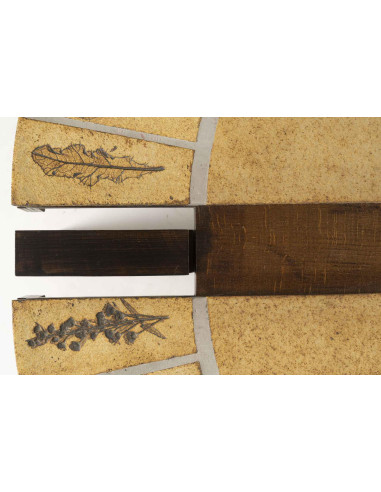
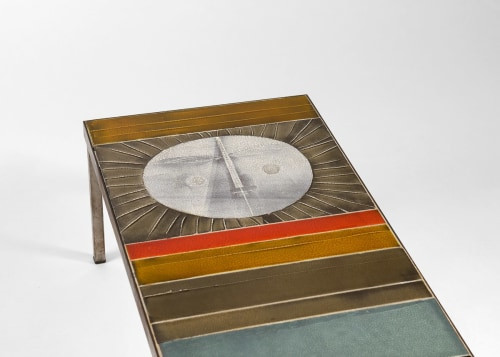
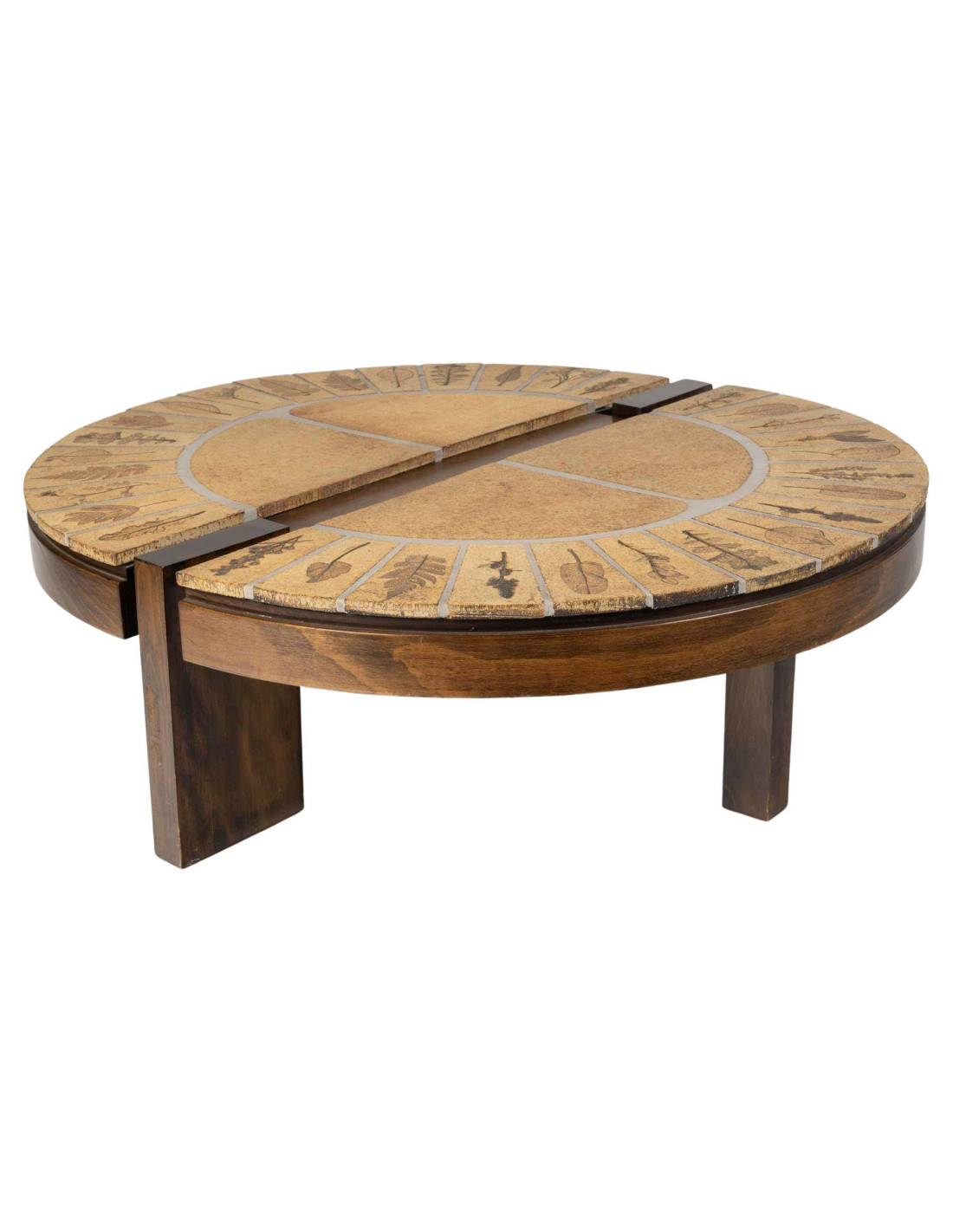
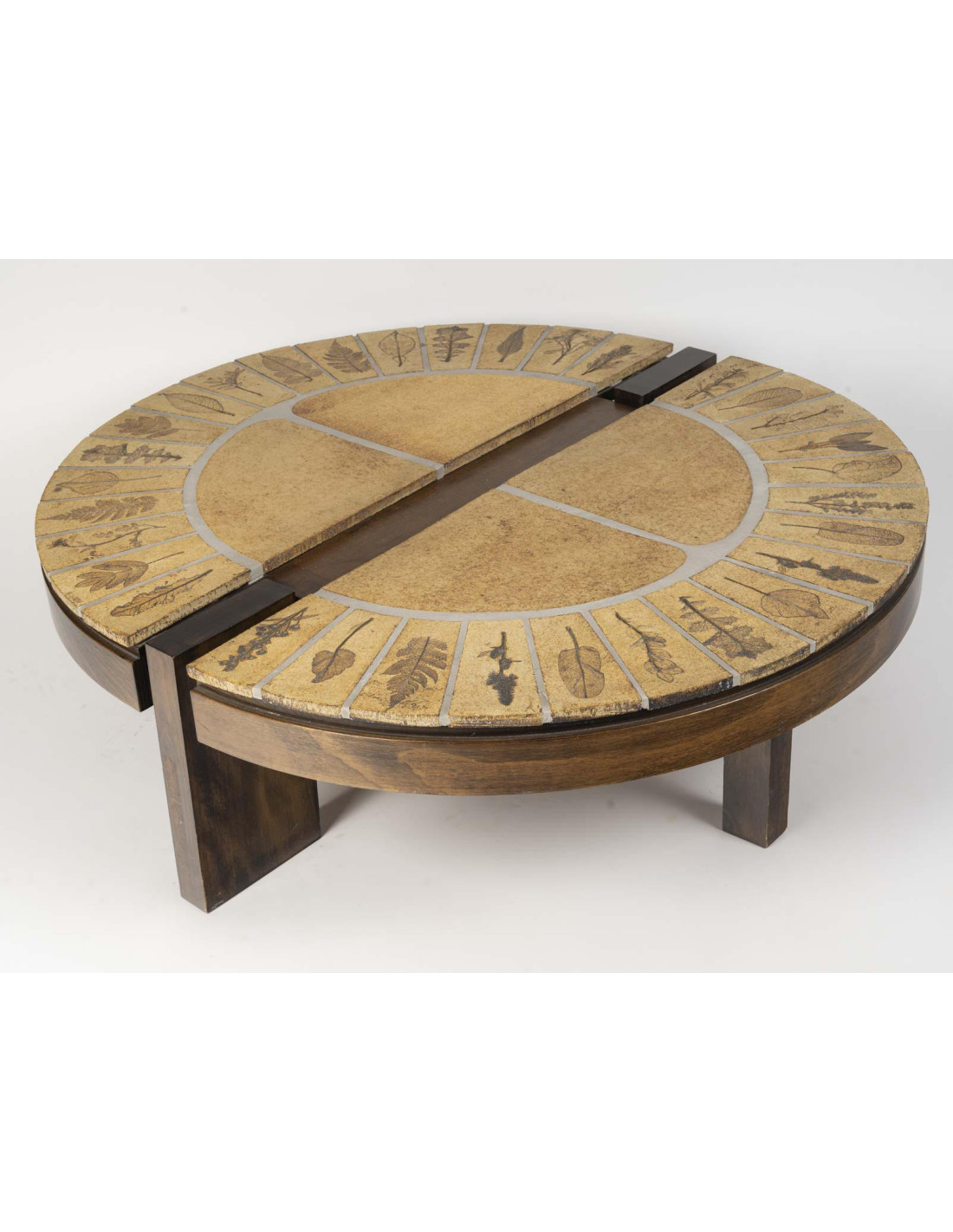
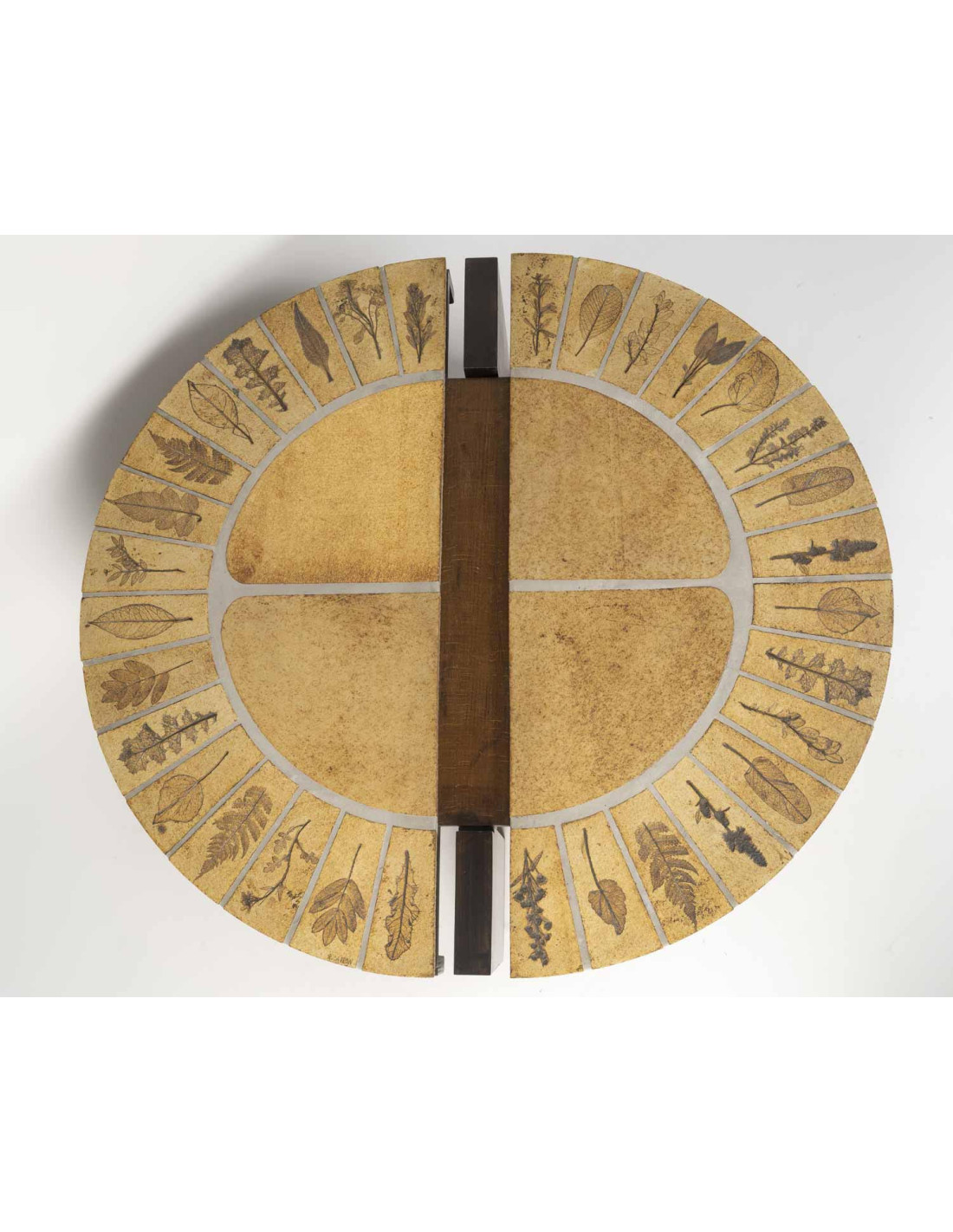
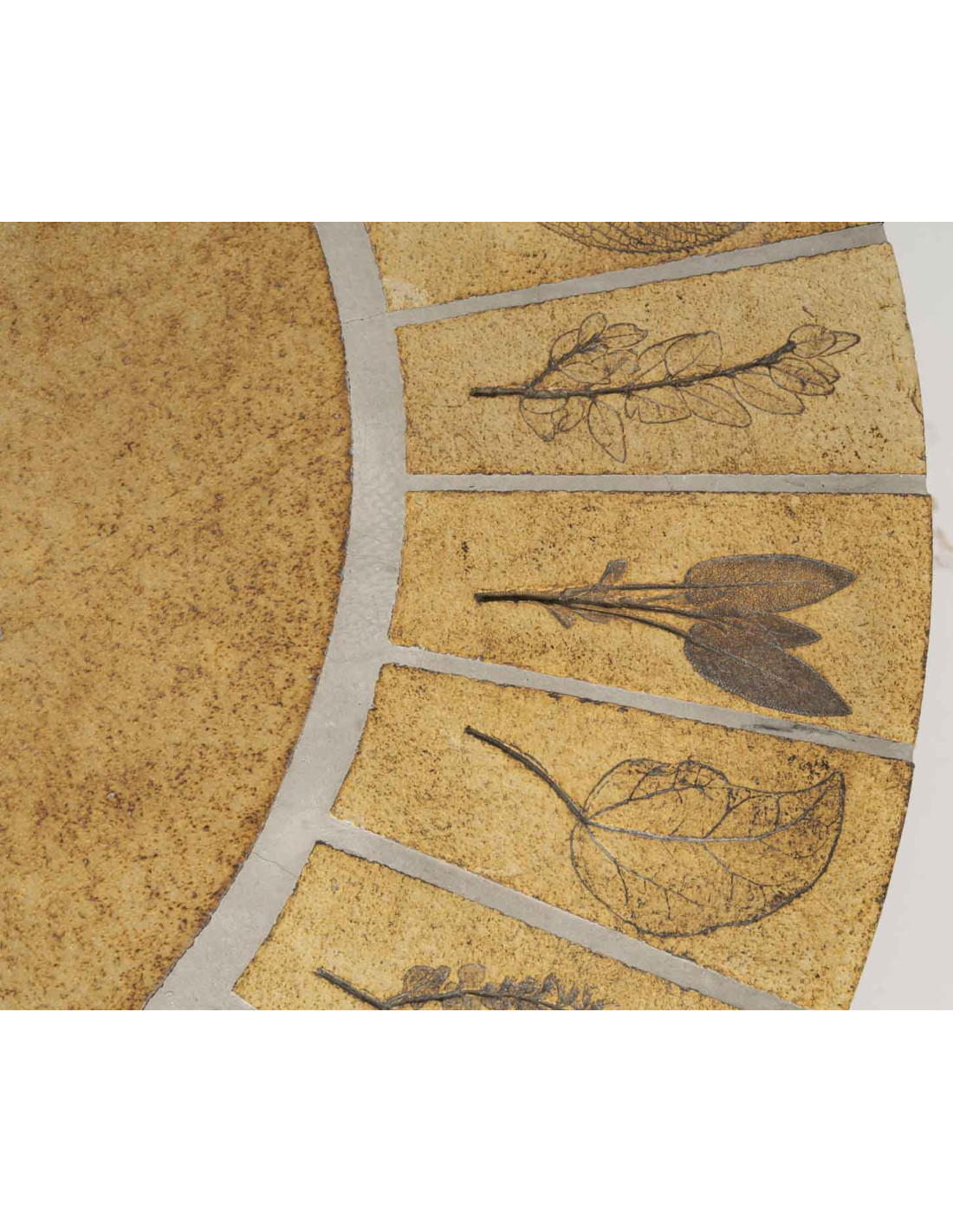
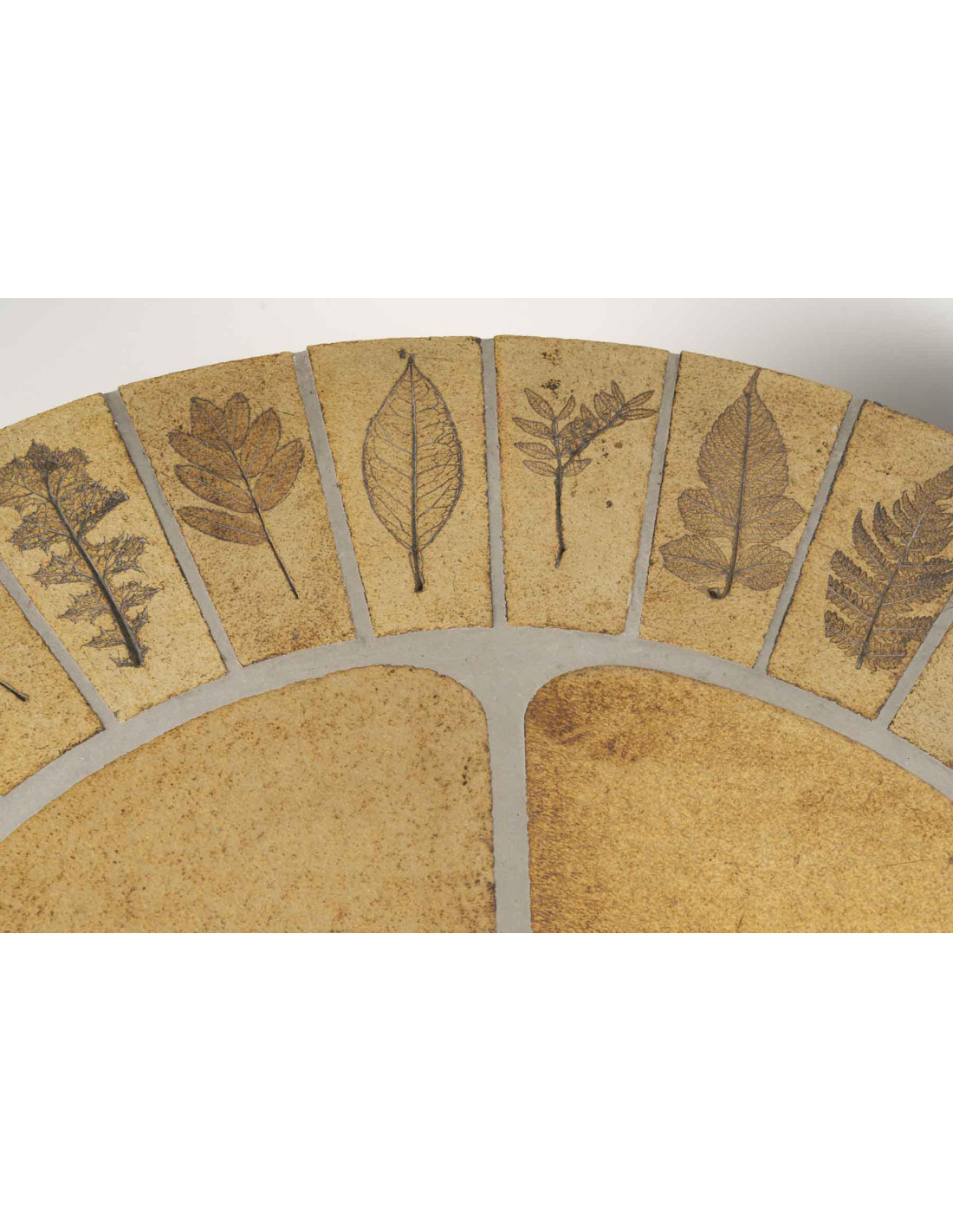
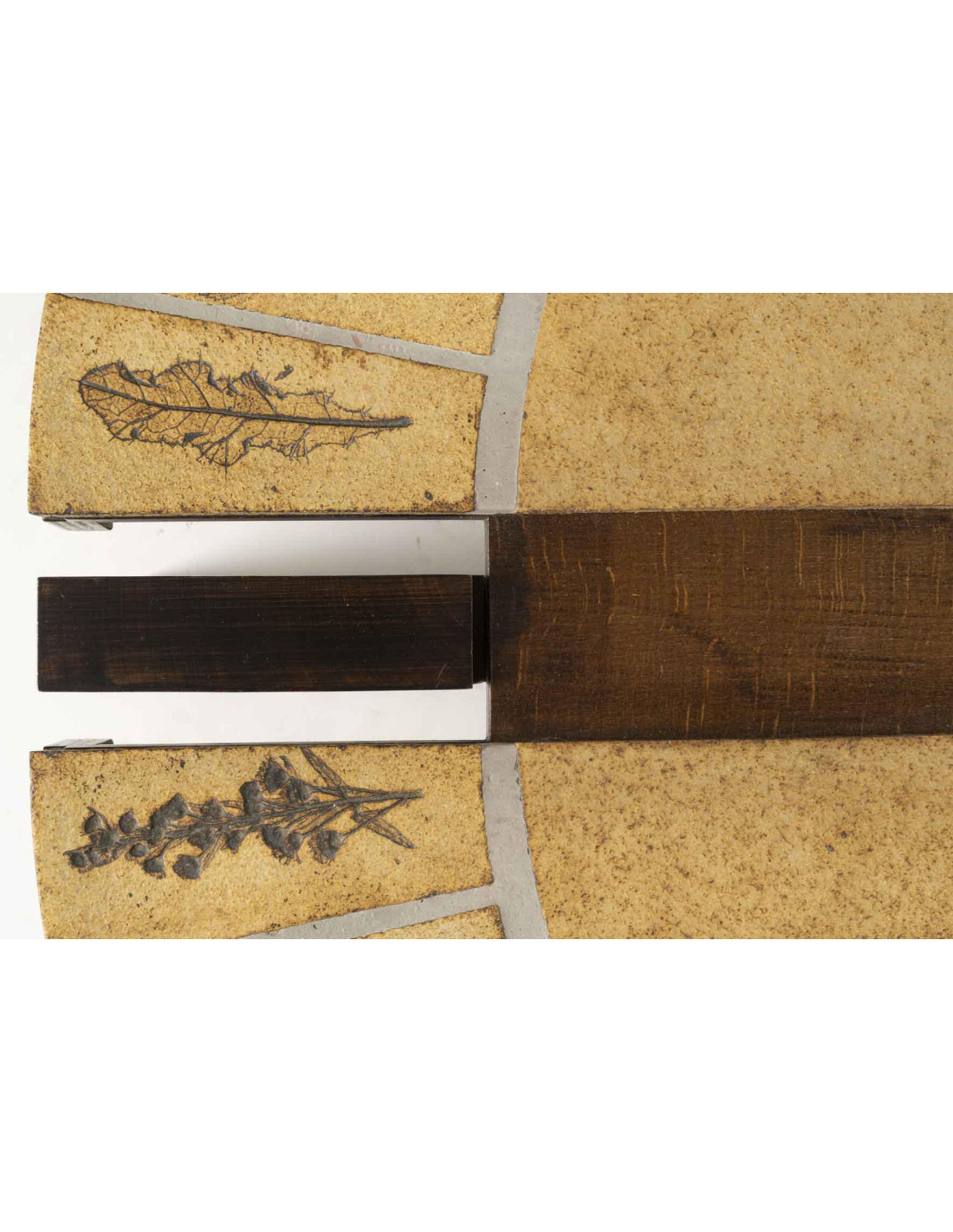
In the 1950s, Capron founded the studio l'Atelier Capron, this became a structured company producing a wide variety of decorative and utilitarian objects. His work evolved towards a more geometric and architectural aesthetic. He designed tables adorned with ceramic tiles, these include decorative trays, panel walls, architecturally integrated tiles and decorative ensembles for public and private buildings. This architectural dimension plays a growing role in his work.
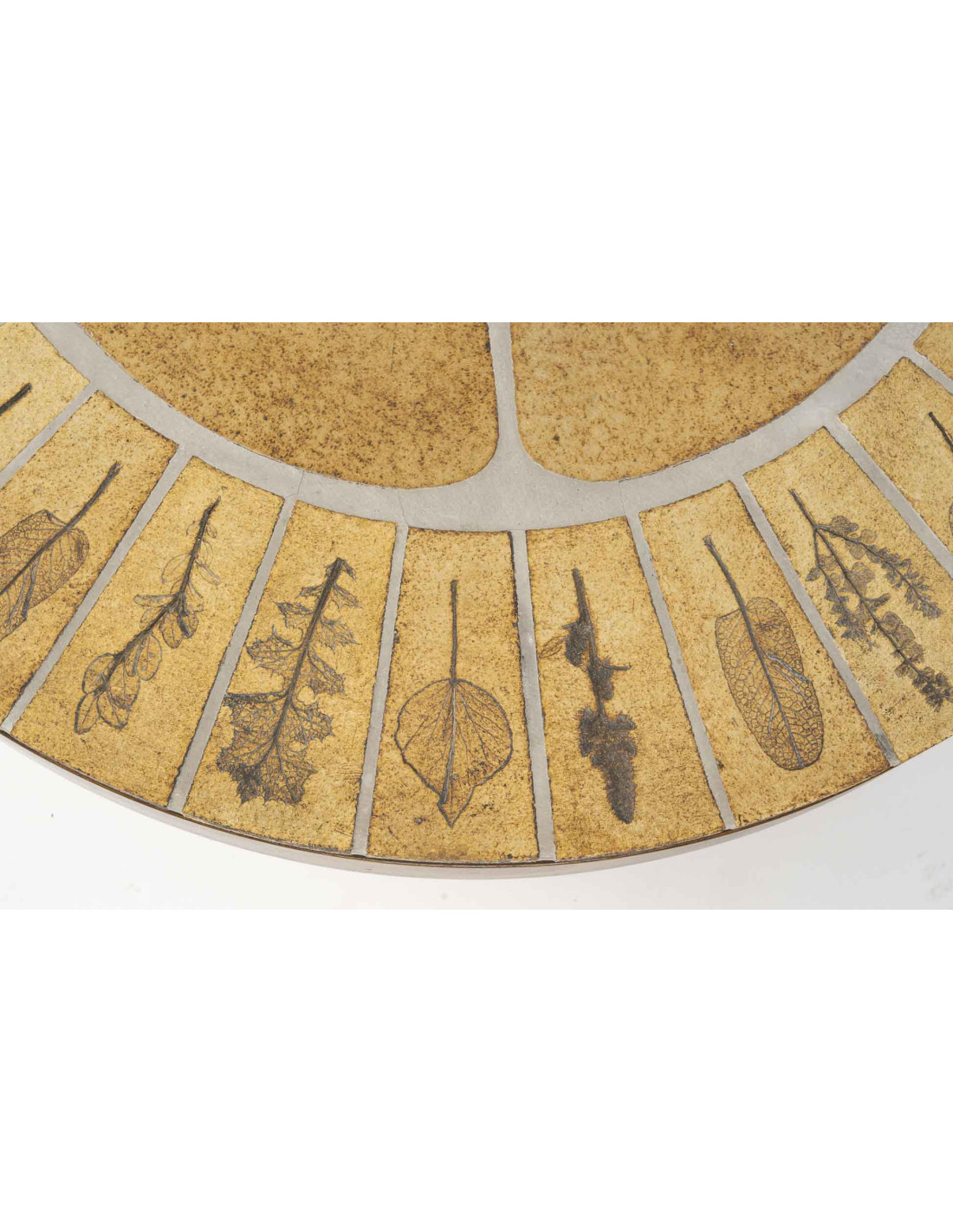
Capron's research into textures, reliefs and enamel effects enables him to create living surfaces, animated by light. Color plays a central role in his compositions. He explores variations between matte, glossy, crackled and opaque glazes, using ceramics as a medium for plastic expression in its own right. His palette reveals a great sensitivity to contrasts and chromatic modulations.
In the 1960s and 1970s, his work took on an international dimension. He received several awards for his contribution to contemporary ceramics. At the same time, he continued to produce a wide range of utilitarian objects, furniture and artistic pieces, adapting to changing tastes and demand.
His career was marked by the coherence of a recognizable decorative language, based on stylization, color harmony and the integration of ceramics into everyday life and architecture. Until his death in 2006, capron continues to explore ceramic materials, renewing their forms and motifs.
Today, Roger Capron's work is particularly sought-after. His tiled tables, decorative panels, tiles and objects testify to the vitality of 20th-century French ceramics and Vallauris' essential role as a creative center.