The porcelain of Limoges appeared at the end of the XVIIIᵉ century, following the discovery of the kaolin in 1768 near Saint-Yrieix-la-Perche, an essential resource for the manufacture of hard porcelain. This discovery gave rise to a number of factories that gradually built up a veritable production centre, initially supported by a growing interest in the arts of fire in France. The Limousin workshops quickly made a name for themselves thanks to their remarkably pure paste, characterised by its whiteness, translucency and strength.
During the XIXᵉ century, the Limoges manufactures developed under the impetus of craftsmen and companies who contributed to the spread of a sober, precise style that could be adapted to different uses. The workshops produced table services, the company's products are used in a wide range of applications, including decorative pieces, ceremonial objects and creations for export. Their technical mastery is reflected in a know-how that combines shaping, turning, moulding and successive firings. The resulting porcelain, both fine and resistant, became a material of choice for the European decorative arts.
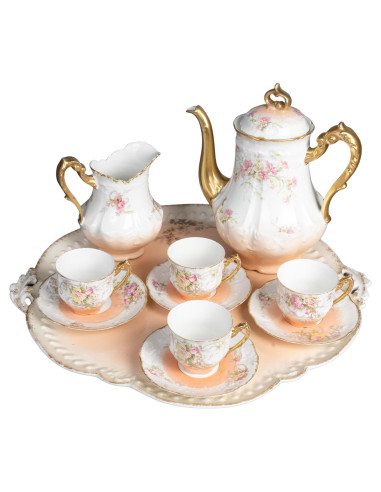
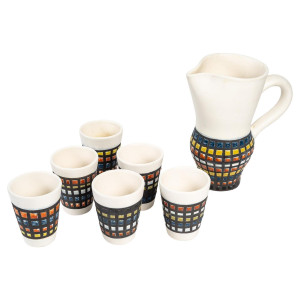
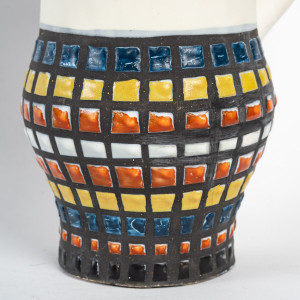
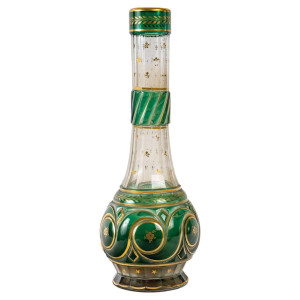
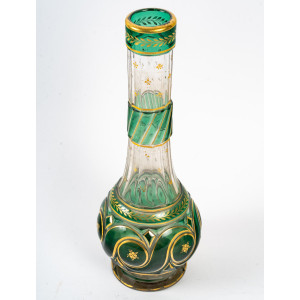
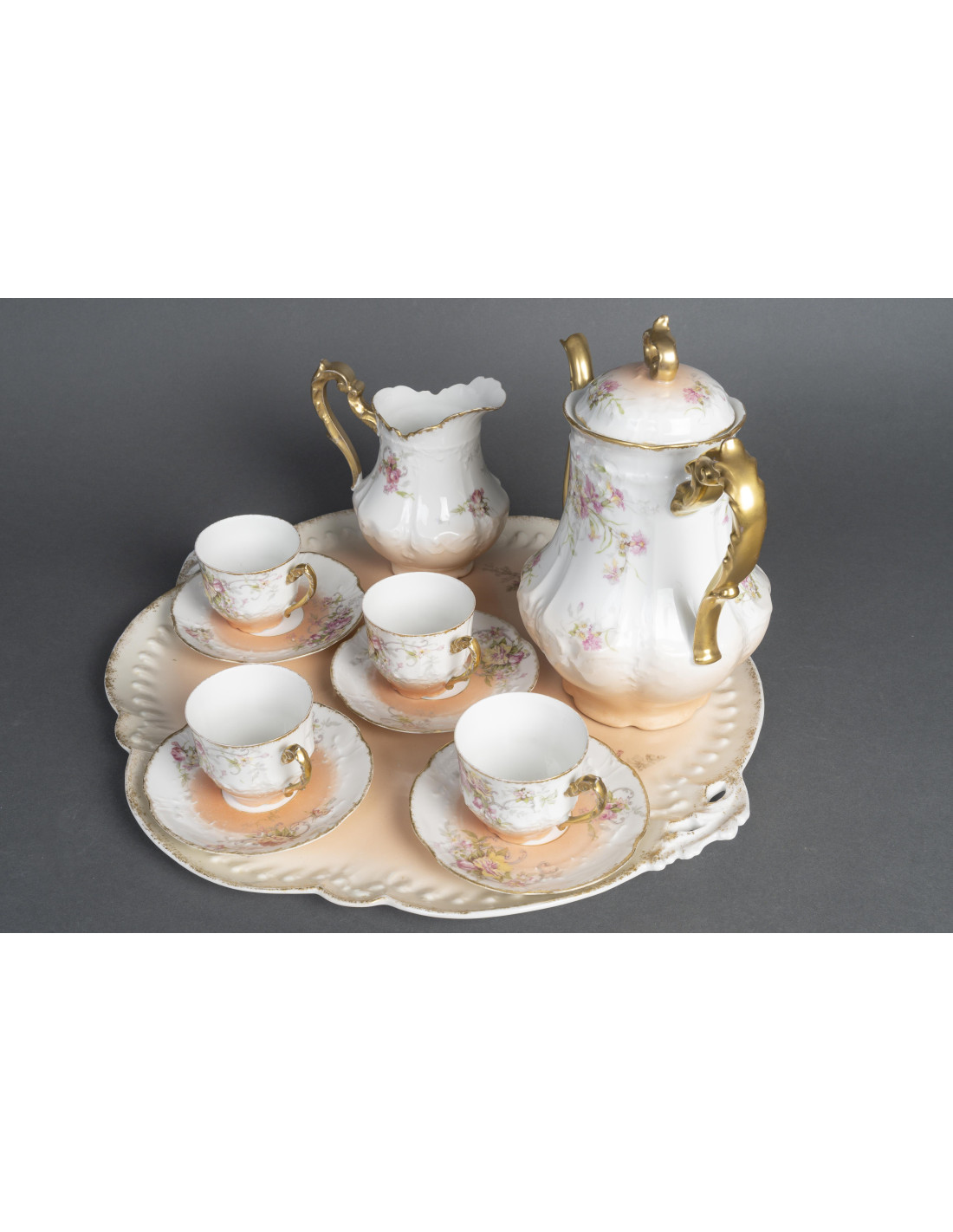
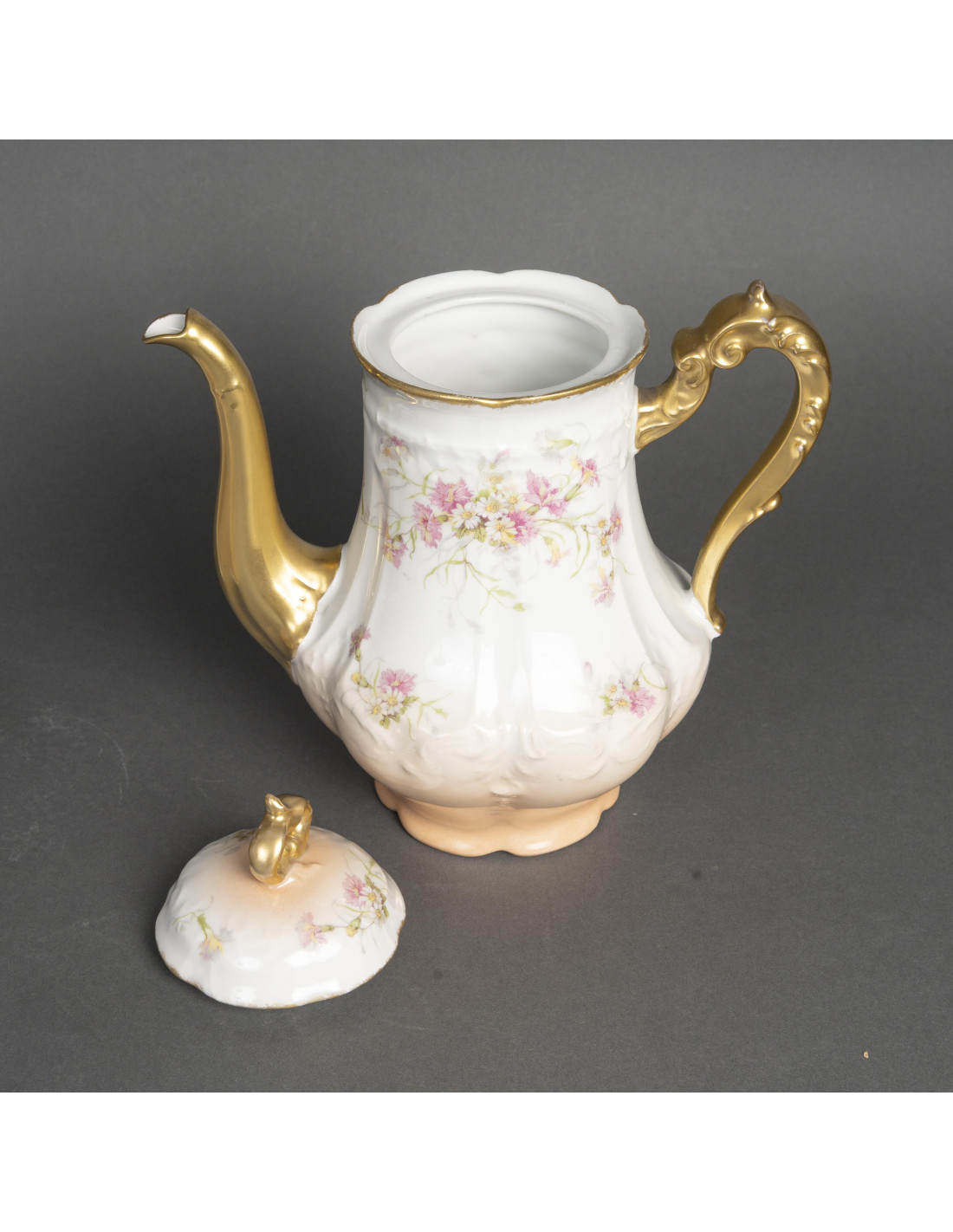
Limousin factories also stand out for the variety of their products sets, these range from floral motifs to more geometric compositions, with gold highlights and delicately hand-painted motifs. The role of decoration workshops is central: they ensure the artistic coherence of the collections and perpetuate a tradition in which line, colour and the precision of the hand play a decisive role.
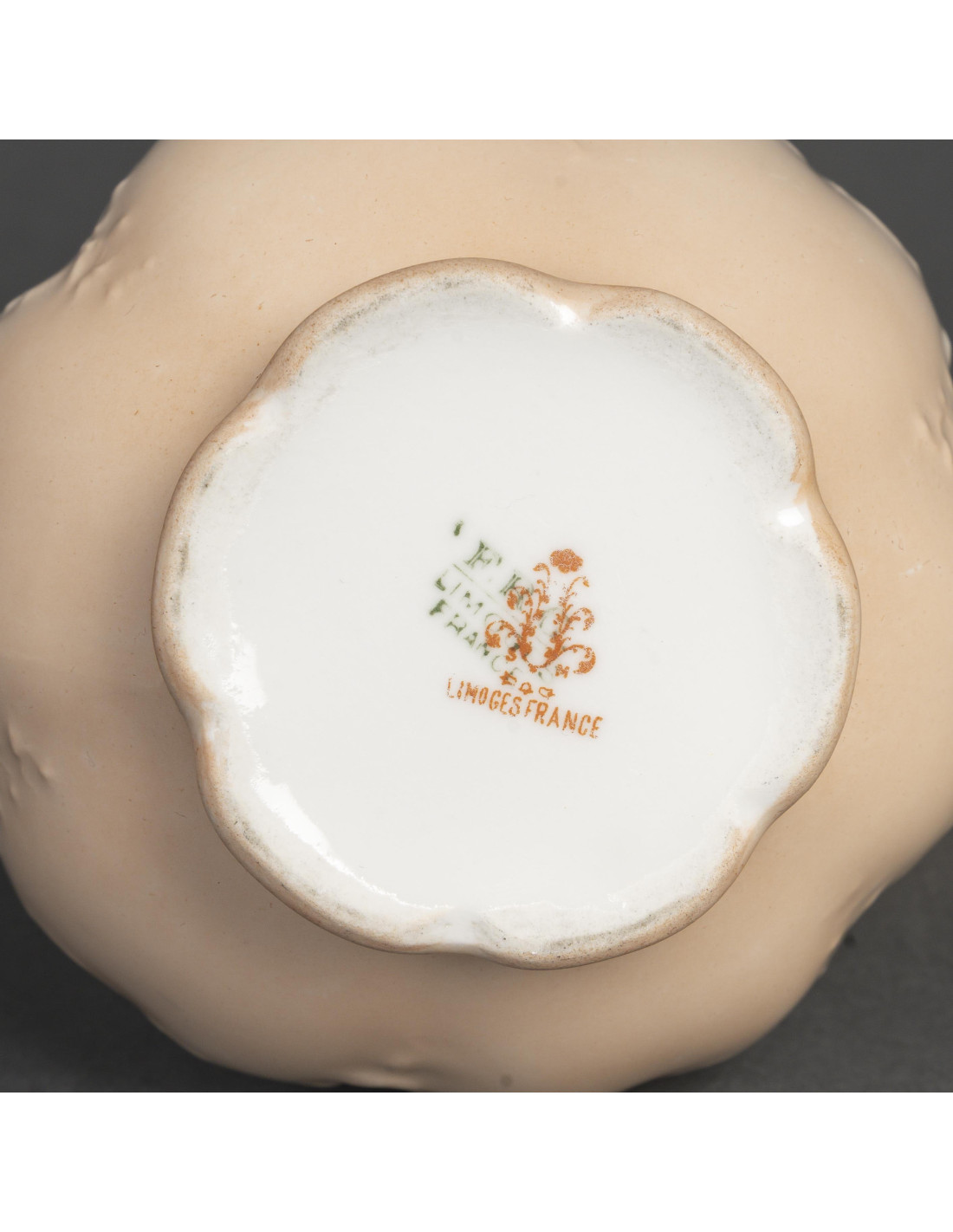
Over time, Limoges became a symbol of French quality and expertise. The factories worked with institutions, hotels, embassies and major clients, while maintaining a strong link with the production of objects for everyday use. This duality between use and prestige contributed to the reputation of Limoges porcelain, appreciated for its balance between elegance, sobriety and technical mastery.
In the XXᵉ century, the town retained its status as a major production centre. Several workshops modernised their methods while preserving traditional processes, notably high-temperature firing and hand-painting. Contemporary creations reflect an adaptation to today's tastes, while remaining faithful to the fundamental principles that have made Limoges famous: a pure paste, controlled firing and extremely fine decoration.
Today, Limoges porcelain represents a living heritage, part of the history of French decorative arts. The factories perpetuate a recognised expertise, based on precision craftsmanship and the continuity of a tradition that goes back more than two hundred years. The "Limoges porcelain remains a mark of excellence associated with the quality of the clay, the accuracy of the shapes and the finesse of the decorations.