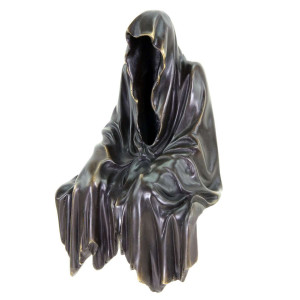
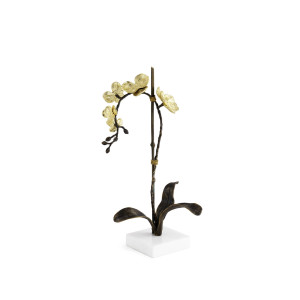
Luxury bronze and metal sculptures: the eternal nobility of the material
For centuries, bronze and noble metals have embodied power, beauty and durability in the art of sculpture. Throughout the ages, these materials have given rise to masterpieces that combine technical virtuosity, artistic sensitivity and a taste for the sublime. VisitMartynoff Gallery ParisCelebrates this tradition with a prestigious selection ofsculptures in bronze and luxury metal, bringing together exceptional pieces from the great decorative centuries - from theLouis XV to the present day, by way of theEmpire, theNapoleon III, l'Art NouveauAnd theArt Deco.
Each sculpture is a story shaped in fire and metal, a testament to human genius and the aesthetics of each era.
Bronze: a royal and timeless material
Bronze, an alloy of copper and tin, has always been considered a noble and enduring material. Its malleability allows artists to express with precision the details of a face, the tension of a muscle or the movement of a drape. Its patina, meanwhile, gives each work a unique depth - brown, golden, green or shaded by time.
In prestigious interiors, thegilded bronze sculpturesIlluminate living rooms and libraries, while thepatinated bronzesProvide a discreet elegance, ideal for contemporary settings. Bronze, with its density and brilliance, remains a symbol of refinement and solidity - an artistic and heritage investment.
Historical styles: a journey through the centuries
Louis XV period: Rococo grace
Under Louis XV, sculpture became sensual and graceful. Artists favoured movement, curves and refined detail. Gilded bronzes adorned consoles and mantels, depicting nymphs, lovers and mythological allegories. The warm patinas and marble or gilded wood bases evoke the refined salons of the 18th century.
In this vein, the Galerie Martynoff is presentingrococo sculpturesInspired by nature and the galant world.
Louis XVI period: neoclassical balance and rigour
During the reign of Louis XVI, sculpture returned to the symmetry and order inherited from Antiquity. Allegorical figures, busts of Roman emperors and representations of virtue replaced rococo frivolity. Gilded bronze reached a level of perfection, often combined with white Carrara marble. These works still decorate the most elegant interiors today, combining classical nobility with timeless modernity.
Empire: grandeur and strength
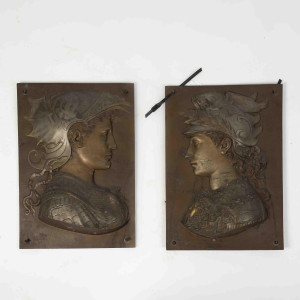
Under Napoleon I, sculpture became an instrument of power. Bronzes were covered with eagles, laurels and imperial crowns. Artists such asThomireOrRémondMagnify the heroes and symbols of the Empire in a monumental and majestic style. Busts of Napoleon, soldiers of the Guard and allegories of Victory stand out in the décor as emblems of glory and history.
Napoleon III period: triumphant eclecticism
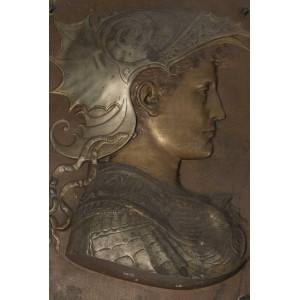
The XIXᵉ century, rich in discoveries and innovations, saw the rise of eclectic sculpture. The Napoleon III era blended Romanticism, Neo-Renaissance and a taste for ornamental detail. French workshops rivalled each other in creativity: bronze lions, antique muses, pastoral or exotic scenes, busts of illustrious figures. Bronze became a universal means of expression, found in aristocratic homes as well as the private mansions of the upper middle classes.
Art Nouveau: the poetry of metal and nature
Around 1900, the Art Nouveau movement infused bronze with an organic sensuality. Sculptors were inspired by the plant world, the curves of the female body and the sinuous lines of nature. The works ofRaoul Larche, Agathon LéonardOrGeorges Van der StraetenExpress the grace, lightness and symbolism of a changing world.
Metal becomes fluid: hair intertwines with flowers, faces seem animated by a breath of life. These sculptures fit perfectly into the interiors of collectors looking for a dialogue between nature and sophistication.
Art Deco: geometric modernity
In the 1920s and 1930s, Art Deco established a new aesthetic. Volumes were simplified, and lines became straight, dynamic and powerful. Bronze was combined with black marble, alabaster, onyx and polished chrome.
Artists likeDemetre Chiparus, Pierre Le Faguays, Max Le VerrierOrMarcel-André BouraineCreate sculptures of refined elegance: stylised dancers, panthers in motion, female figures with sporting attitudes. These works epitomise the luxury of the Roaring Twenties - a perfect balance between art and design.
The XXᵉ century and contemporary design: the renewed expressiveness of metal
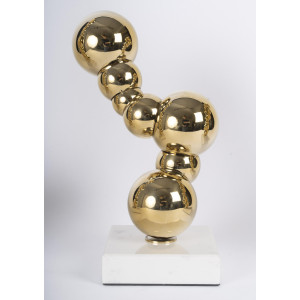
Over the course of the XXᵉ century, metal sculpture emancipated itself from classical codes. Modern artists explored abstraction, geometry and the raw texture of the material.César, Arman, Richard Serra, Antoine PoncetOrBernar VenetReinvent materials by diverting, fragmenting and bending them.
The metals used become more varied: steel, wrought iron, aluminium, brass, polished copper... The shapes become conceptual, minimalist or monumental, interacting with light and space.
In thecontemporary sculpture, metal embodies the tension between strength and lightness. Today's designers exploit modern processes - welding, laser cutting, mirror polishing - to create spectacular, often unique, works. These sculptures are a natural fit for designer interiors, prestigious hotel lobbies and international art galleries.
Metal sculptures: the art of materials and light
Whether bronze, brass, copper or wrought iron, metal captures light with a rare intensity. Its brilliance changes with the day, creating a dialogue between the work and its surroundings. A sculpture in patinated or gilded bronze can enhance an Empire console table, while a piece in brushed steel or polished aluminium complements the clean lines of a contemporary living room.
LaMartynoff Gallery ParisHighlights the complementary relationship betweenancient art and modern design, offering collectors and interior designers the chance to create unique aesthetic dialogues.
The art of patina and finishing
Each bronze or metal is a universe of nuances. Deep brown patinas, gilded leaves, green oxidations or mirror polishes transform the surface into a field of artistic expression. The patina gives the work its soul: it evokes the passage of time, the heat of the fire and the hand of the artist.
Bronziers, chisellers and foundrymen, from the Susse foundry to the Valsuani foundry, have perfected this art since the XIXᵉ century, helping to make French bronze a world benchmark. The sculptures presented by Galerie Martynoff pay tribute to this exceptional mastery.
Animal sculptures, busts and mythological figures
The world of bronze and metal covers an immense repertoire:
-
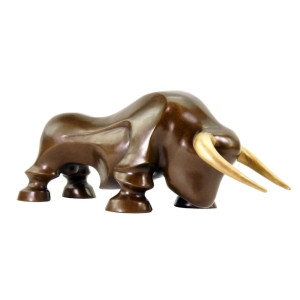
Animal sculptures(panthers, horses, eagles, bulls) symbolising strength and freedom.
-
Busts and portraitsEmperors, queens, artists and anonymous figures.
-
Mythological figures- Diana the Huntress, Venus, Apollo - inspired by ancient stories.
-
Modern allegoriesRepresenting music, dance or movement.
Each work invites contemplation and emotion; each material invites reflection on beauty and form.
A living heritage combining tradition and modernity
Having asculpture in bronze or luxury metal, to own a piece of art is to own a piece of history and know-how. These works are legacies to be passed on, but they are also powerful decorative elements capable of magnifying a space.
LaMartynoff Gallery ParisCarefully selects each piece: antique sculptures signed by great masters, modern limited editions, or exclusive contemporary creations. Each work is authenticated, restored if necessary, and presented with the utmost care - guaranteeing our collectors museum-quality.
Conclusion: the shine of metal, the power of time
From delicate rocaille to bold contemporary designs, bronze and metal sculpture has survived the centuries without ever losing its splendour. It combines the arts of fire, the rigour of design and the poetry of gesture.
AtMartynoff Gallery Paris, these sculptures are more than just decorative objects: they embody the soul of the material, the hand of the artist and the timeless elegance of beauty.