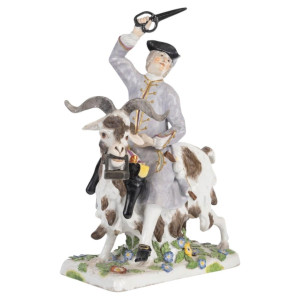
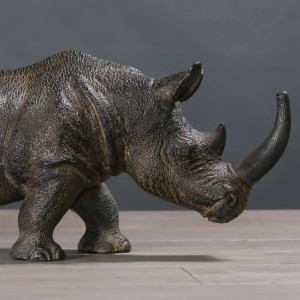
Sculptures in terracotta and luxury porcelain: the poetry of fire and the hand
LaterracottaAnd theporcelainRepresent two sublime expressions of human genius. Shaped by fire, they combine the fragility of the material with the strength of the gesture, the purity of the lines with the delicacy of the detail. Over the centuries, these materials have given rise to masterpieces that combineEmotion, sensuality and craft excellence.
LaMartynoff Gallery ParisPays tribute to this refined art form with an exceptional collection ofsculptures in terracotta and luxury porcelain, ranging fromLouis XVAtContemporary design. Each piece reflects exceptional expertise, the fruit of dialogue between artists, craftsmen and prestigious manufacturers.
Terracotta: the warmth of modelling and the life of gesture
Used since ancient times, terracotta - "argilla" - was the first medium for sculpture. Malleable and alive, it allows the sculptor to translate the emotions of the face and the suppleness of movement with spontaneity.
The great French masters of the XVIIIᵉ century, such asJean-Baptiste Carpeaux, ClodionOrPigalle, the slightly porous surface and warm hue, ranging from beige to deep red, give terracotta sculpture an incomparable human presence. The slightly porous surface and warm hue, ranging from beige to deep red, give terracotta sculpture an incomparable human presence.
Under the light, the terracotta vibrates. It reveals every fingerprint, every tool stroke. In contemporary interiors, it brings a unique warmth and craftsmanship that works wonderfully with marble, wood or metal.
Porcelain: the epitome of finesse and refinement
Laporcelain, born in China and perfected in Europe in the XVIIIᵉ century, it embodies absolute purity. White, luminous, almost translucent, it has been magnified by the greatest manufacturers:Sèvres, Meissen, Nymphenburg, Limoges, orCopenhagen.
Porcelain sculptures, whether enamelled, polychrome or in matt biscuit, illustrate the apogee of European taste for perfection and delicacy. Bust forms, mythological groups, gallant figures, child musicians or pastoral scenes - everything exudes grace and poetry.
Thesèvres biscuit, these unglazed pieces evoke the texture of marble while retaining the lightness of porcelain. Each piece, modelled and then fired at very high temperatures, becomes a miracle of balance between fragility and eternity.
The great eras of sculpture in terracotta and porcelain
Louis XV period: rocaille sensuality
In the 18th century, under Louis XV, sculpture in terracotta and porcelain became a salon art form. The forms became graceful, the attitudes full of life, the themes borrowed from gallant mythology and nature.
Manufacturers such asSèvresOrMeissenCreate figurines of shepherds, dancing nymphs and mischievous putti. Laterracotta rocaille, with its supple curves, it is a symbol of refinement and voluptuousness.
Louis XVI period: neoclassical harmony
Under Louis XVI, sculpture was inspired by Antiquity. Lines became cleaner, drapery more controlled, and virtue and reason replaced rococo frivolity. Bisque porcelain busts and mythological figures embodied nobility and simplicity. Artists sought formal perfection, balance and the inner light of the material.
Empire: the power of symbols
The Napoleonic era saw the triumph of heroic art. Busts of emperors and allegorical figures in biscuit or terracotta were used in official decorations. The manufactures ofSèvresAndWedgwoodCreated works with powerful reliefs, inspired by Roman bas-reliefs. Dazzling white porcelain became the medium of imperial glory.
Napoleon III: the triumph of eclecticism
Under the Second Empire, porcelain and terracotta sculpture once again took pride of place in bourgeois homes. Decorative art was sumptuous, colourful and varied. Artists revisited old styles, multiplying enamel effects, patinas and polychromes. Romantic figurines, female busts and genre scenes enlivened windows and mantelpieces.
Art Nouveau: the poetry of life
Around 1900, ceramic sculpture underwent a profound transformation. Artists such asAuguste Rodin, Raoul Larche, Georges Hoentschel, orAlexandre BigotBring earth and flame into dialogue.
Porcelain and terracotta are enriched with iridescent glazes, flamed enamels and organic textures. Female figures became sensual, vegetal and moving. The material ceases to be decorative and becomes expressive: it breathes, it vibrates, it lives.
Art Deco: stylised perfection
In the 1920s and 1930s, sculptureArt DecoRevisits ceramics with rigour and geometry. Artists such asMarcel Guillard, Charles Catteau, Max Le Verrier, orAndré FauUse porcelain and terracotta in stylised forms with smooth, pure patinas.
The figures of dancers, modern busts and stylised animals express the vitality and elegance of the new century. The combination of the whiteness of the biscuit and the pastel tones of the enamel gives these pieces a timeless modernity.
Modernity and contemporary creation
Today, thecontemporary sculptures in terracotta and porcelainAre undergoing a spectacular revival. Artists are exploring raw textures, cracks, cracked or polished surfaces. Some are incorporating ceramics into monumental installations or abstract concepts.
The contrast between the fragility of the material and the power of the gesture inspires a rare emotion. Fire becomes the creator's accomplice, leaving traces of the unpredictable in the material.
In theMartynoff Gallery Paris, these contemporary creations stand side by side with old masterpieces. This dialogue between past and present reveals the continuity of an art of fire, where each unique piece becomes a complete work of art.
The art of patina, enamel and bisque
The charm of sculpture in terracotta or porcelain lies in the infinite variety of finishes:
-
Natural patinaOf old-fashioned terracotta, with warm, lively tones.
-
Translucent or gloss enamel, playing with light.
-
Matt biscuit, with a satiny softness reminiscent of marble.
-
Delicate polychromy, applied by hand by exceptional craftsmen.
Every effect, every nuance tells the story of the fusion of fire, earth and the human hand.
Universal themes and inspirations
The subjects of the terracotta and porcelain sculptures reflect the diversity of our sensibilities:
-
Mythological and allegorical figures, they are bearers of beauty and wisdom.
-
Religious or spiritual subjects, the songs are full of emotion and devotion.
-
Animal sculptures, symbols of strength, grace and loyalty.
-
Scenes from everyday life, full of tenderness and naturalness.
-
Contemporary creations, abstract or conceptual, celebrating matter itself.
These works, whether small or monumental, bring light and poetry to any interior.
Decorative art in the service of luxury
In a classic interior, asculpture in Sèvres biscuitOn a Louis XVI console evokes the elegance of the royal salons. In a modern space, a contemporary terracotta, raw or glazed, creates a vibrant contrast with the smooth materials of the design.
LaMartynoff Gallery ParisProposes these pieces as bridges between eras and aesthetics, enabling collectors and interior designers to introduce a breath of history and modernity into their spaces.
A living, timeless heritage
Sculptures in terracotta and luxury porcelain are not simply decorative objects: they embody the memory of fire and gesture. They bear witness to aage-old passion for crafts, it has been passed down from generation to generation by sculptors, modellers and ceramists.
Each work presented byMartynoff Gallery ParisIs chosen for its quality, rarity and expressive power. Carefully restored, they retain the soul of their creators and the beauty of their original material.
Conclusion: sublime fragility
From humble clay to the purest porcelain, ceramic sculpture is an art of paradox:Both fragile and eternal, simple and precious, tactile and spiritual.
Across the stylesLouis XV, Louis XVI, Empire, Napoleon III, Art Nouveau, Art Deco, DesignAndcontemporary, theMartynoff Gallery ParisCelebrates the perfect alchemy between man, matter and fire.
Each sculpture in terracotta or luxury porcelain becomes an offering to beauty - a vibrant testimony to human skill and emotion.