Mathieu Matégot was born in 1910 à Tápió-Sully, Hungary. He studied at the Beaux-Arts in Budapest, where he acquired training in the plastic arts and architecture. In 1931, he moved to Paris, where he quickly became part of the artistic and decorative scene. During the 1930s, he worked as a decorator, notably for the theater and for department store windows, while creating his first pieces of furniture in rattan combined with metal structures.
His career was marked by the Second World War: taken prisoner after enlisting, he discovered metalworking techniques during his captivity that would have a profound influence on his creative work. On his return to Paris in 1944, after becoming a naturalized French citizen, he opened a workshop dedicated to furniture and decorative objects. He experimented with a variety of materials to create modern furniture combining functionality, flexibility and structural elegance.
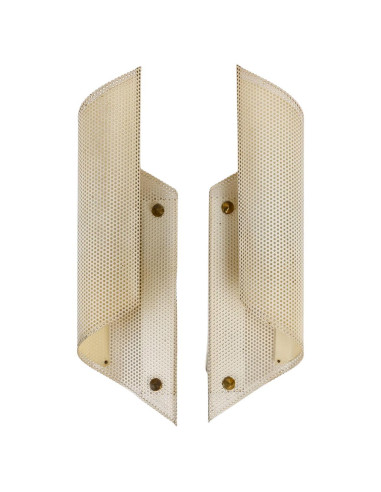
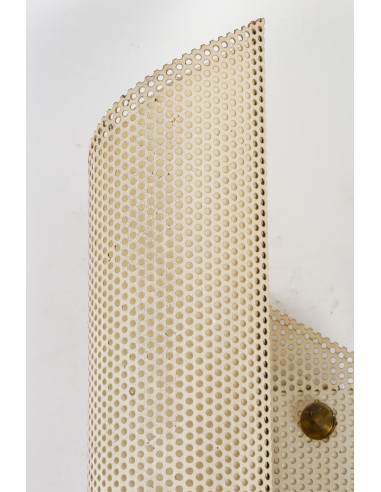
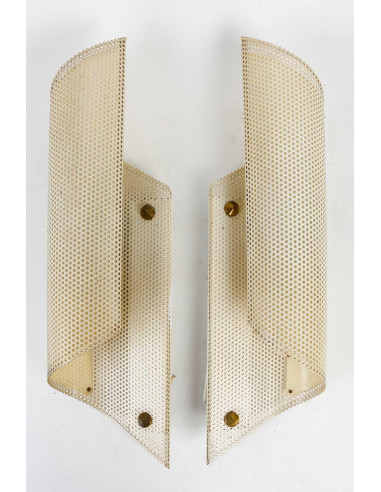
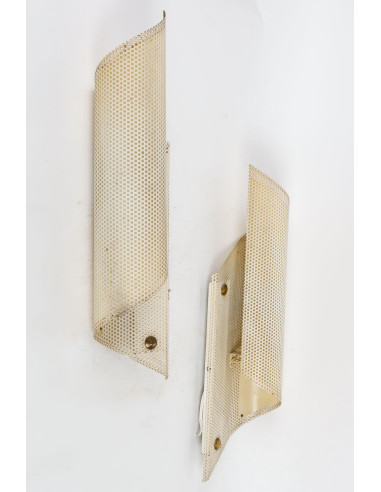
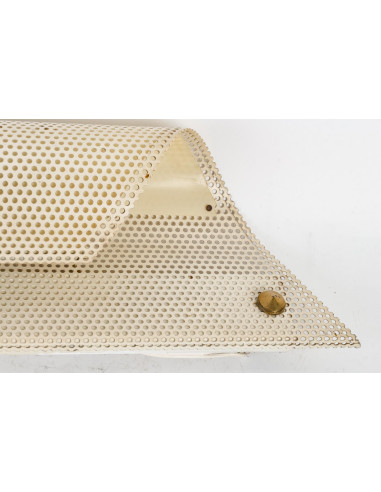
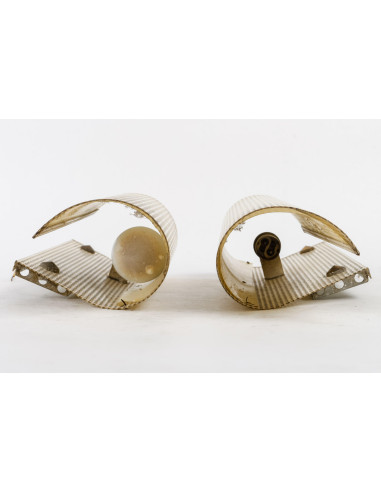
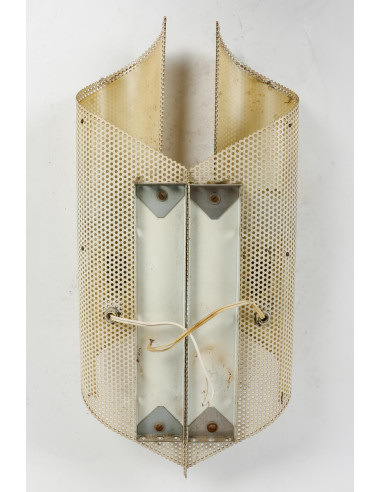
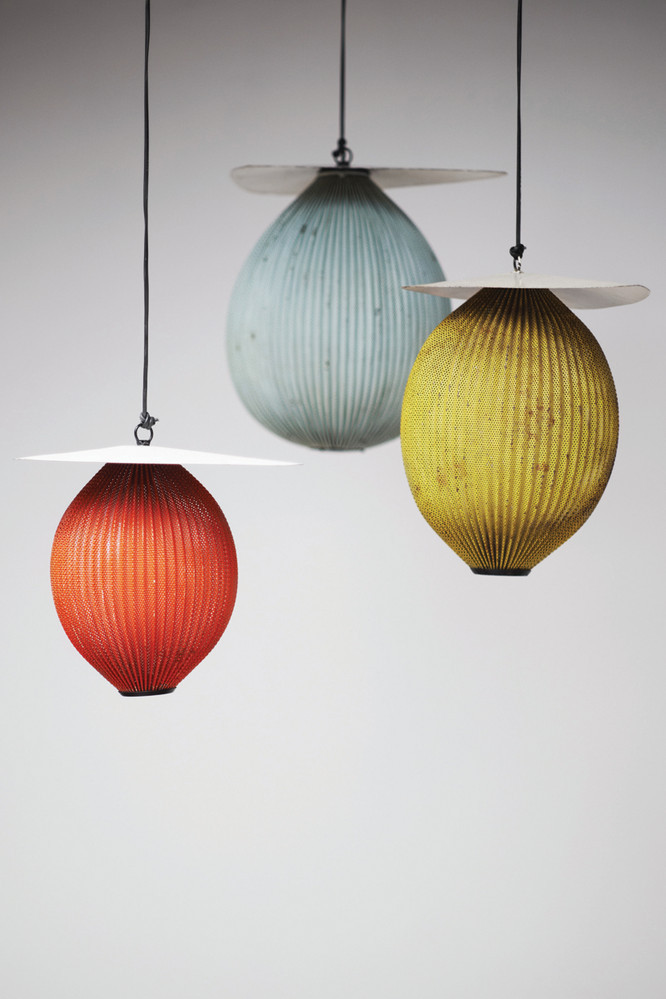
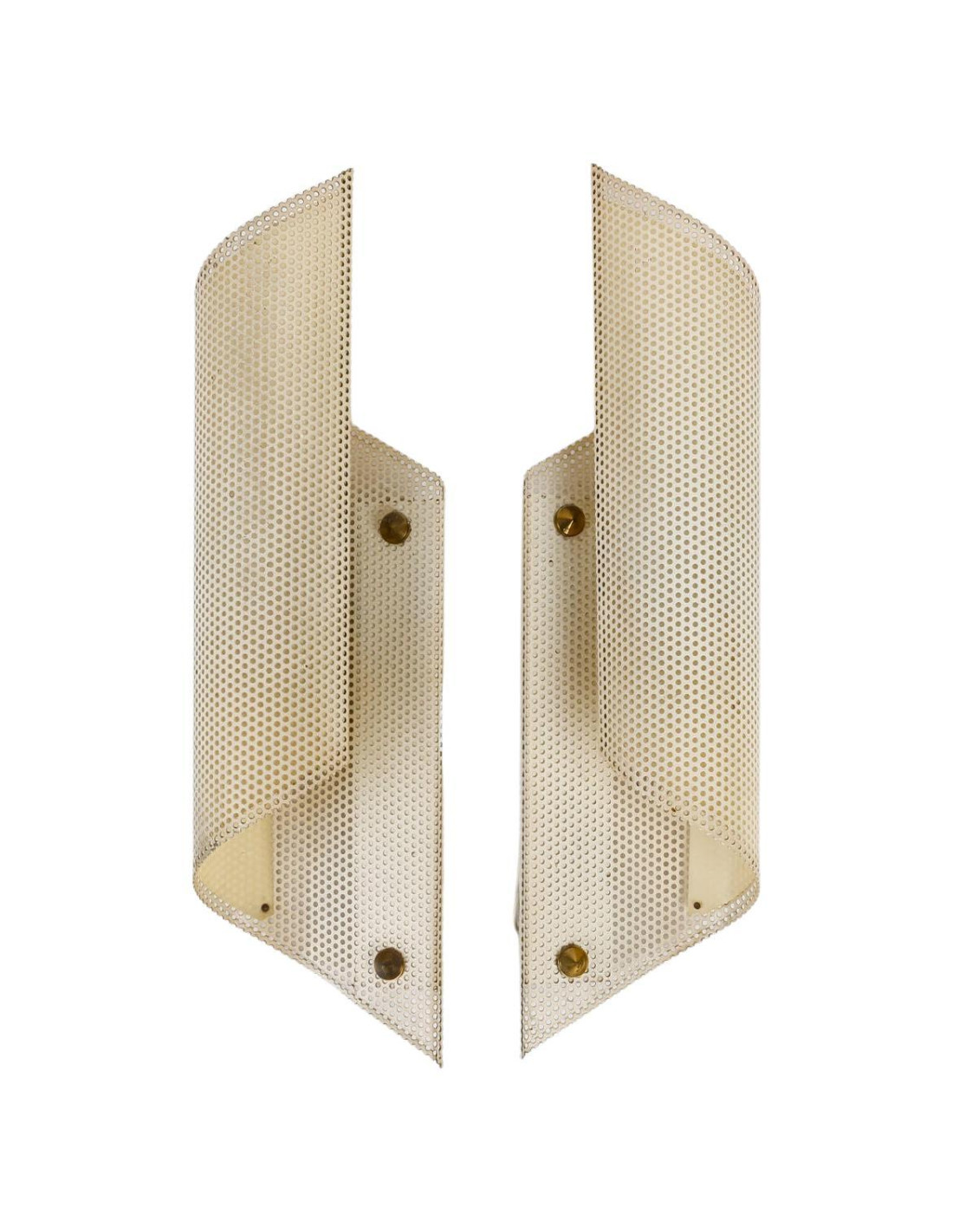
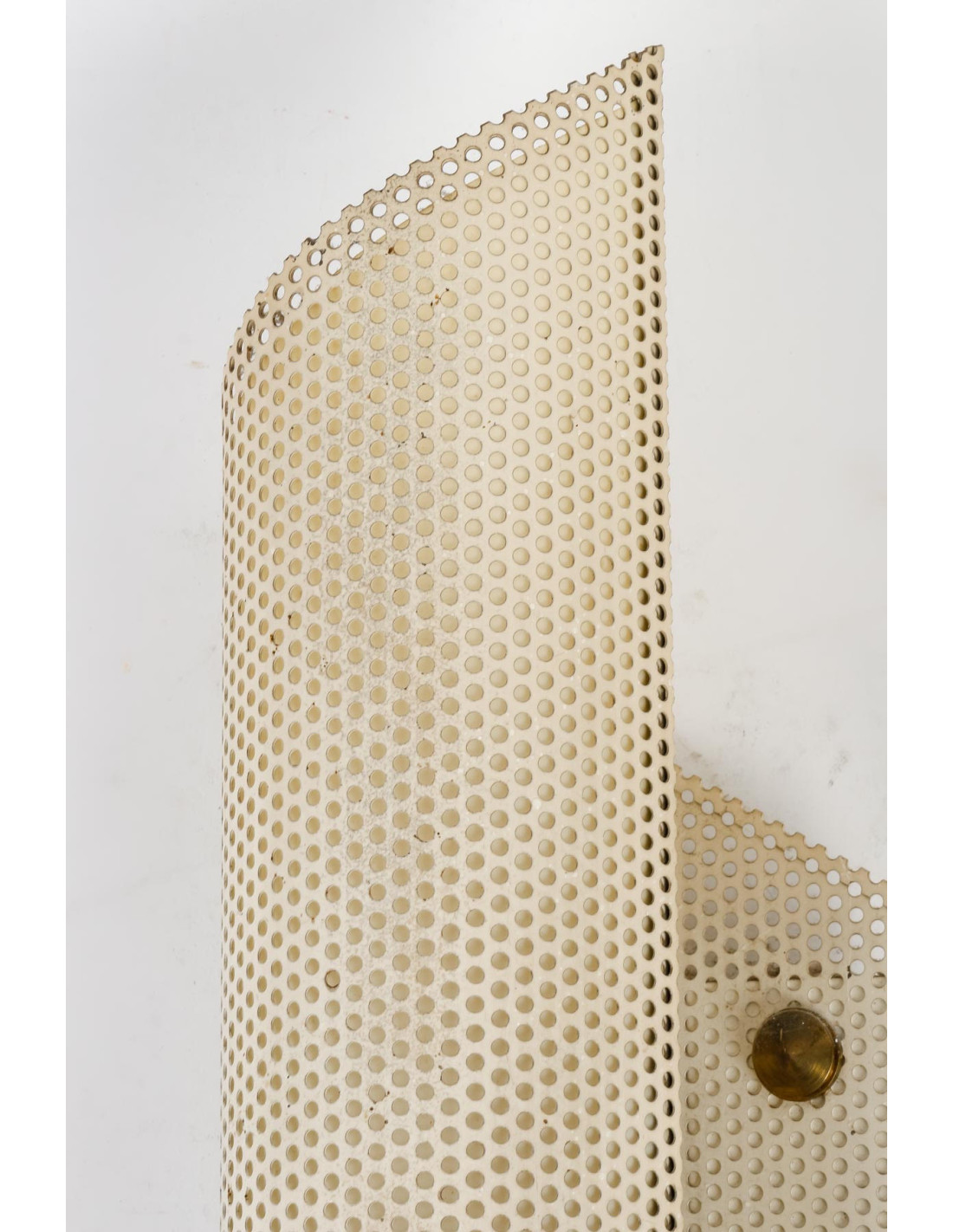
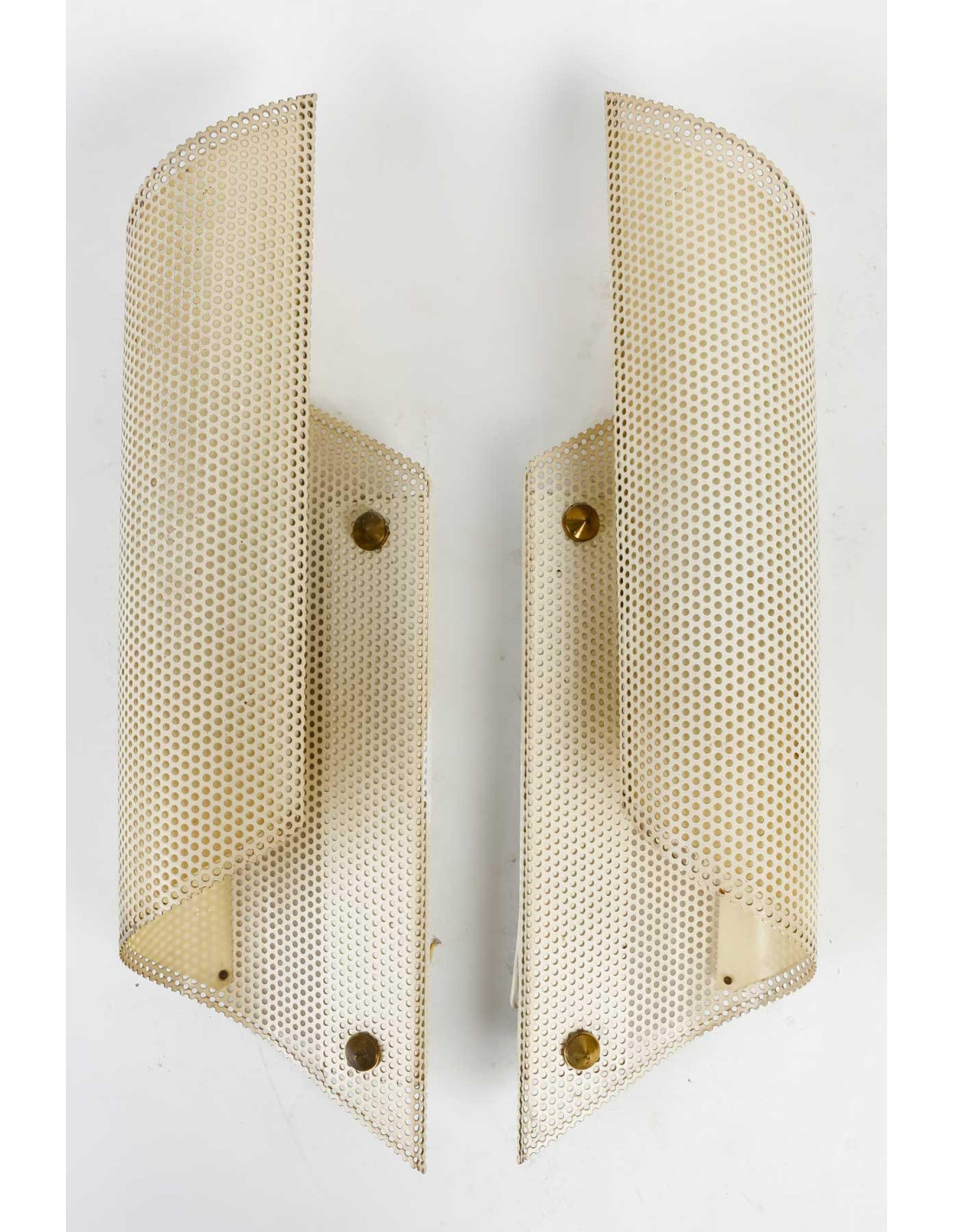
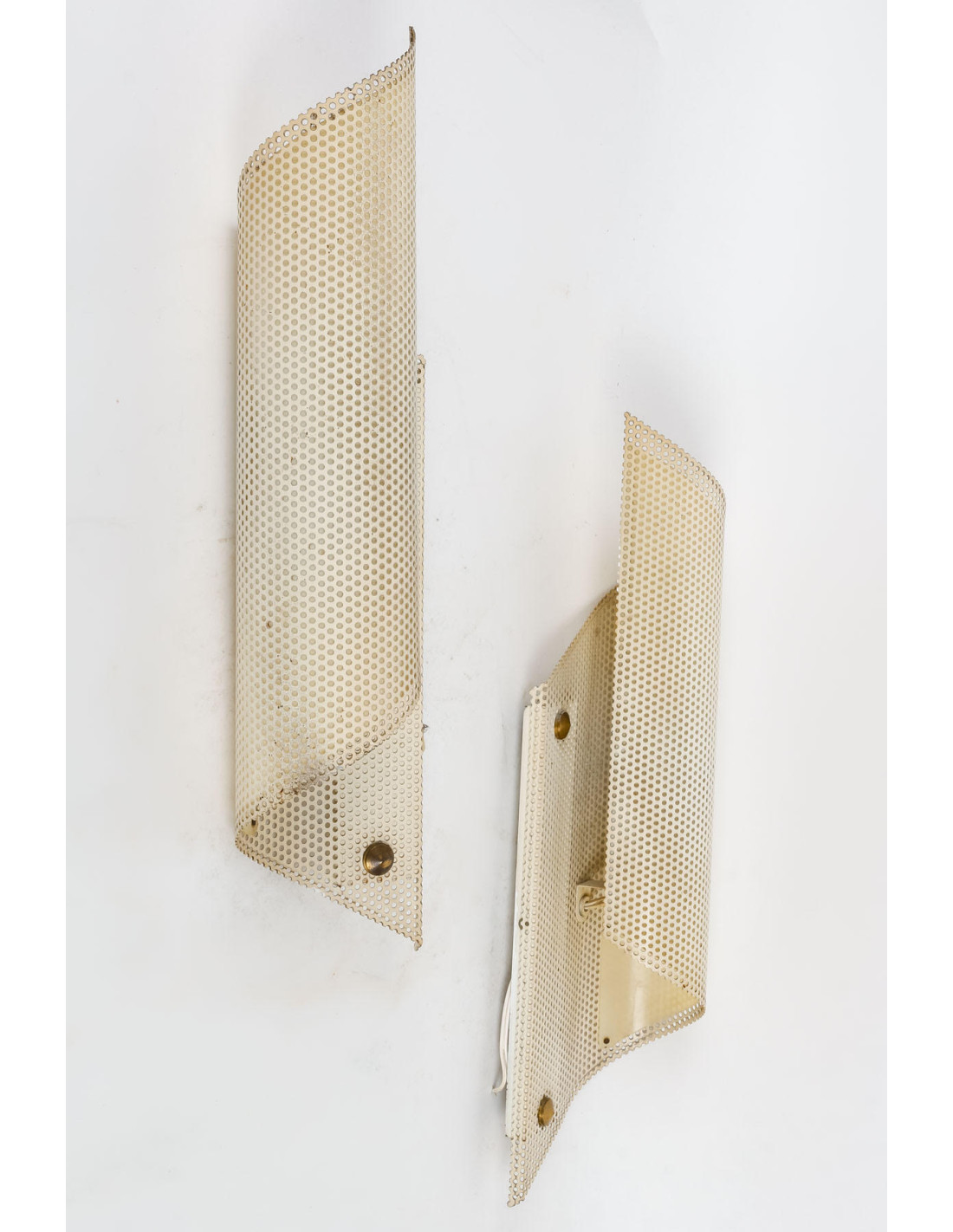
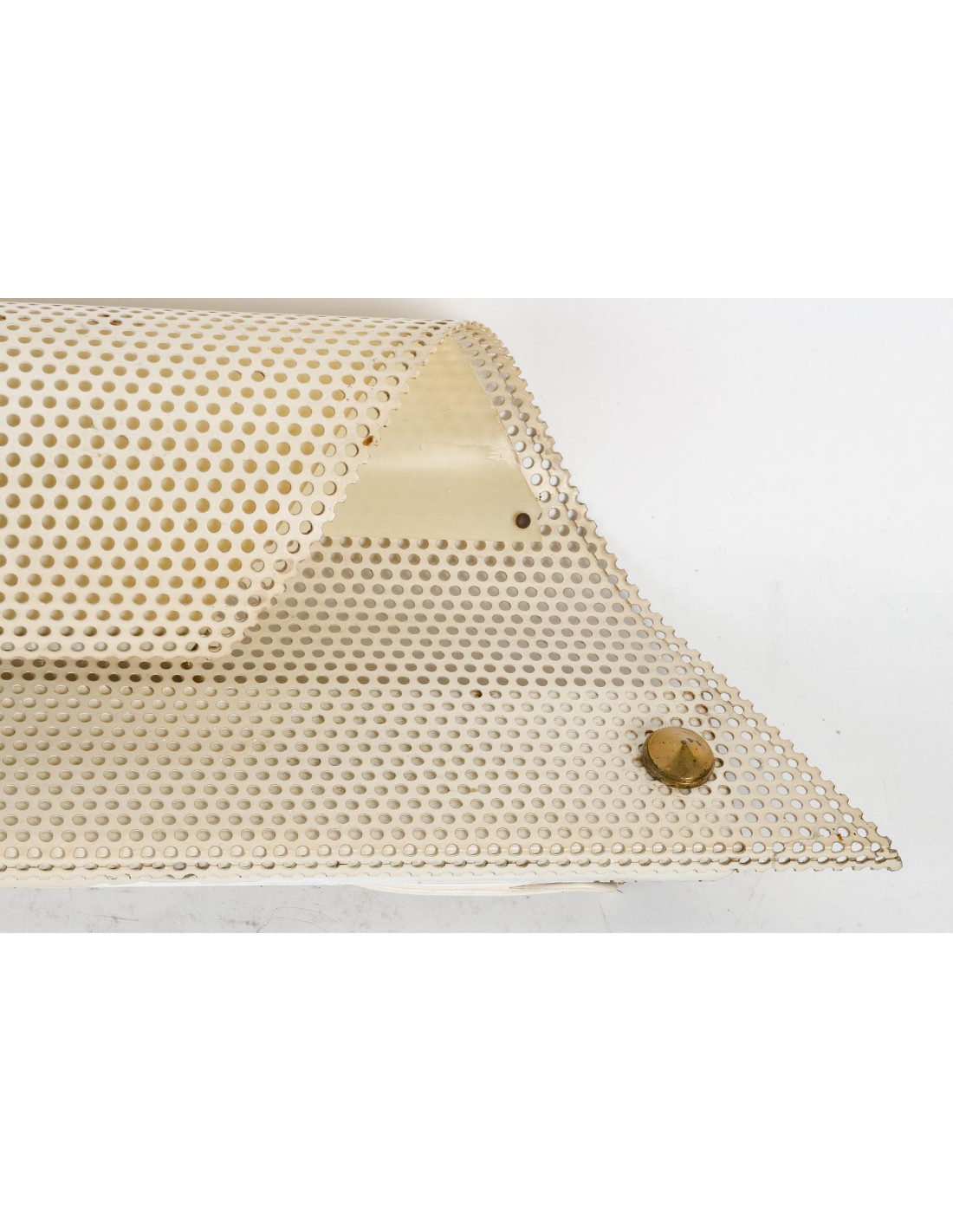
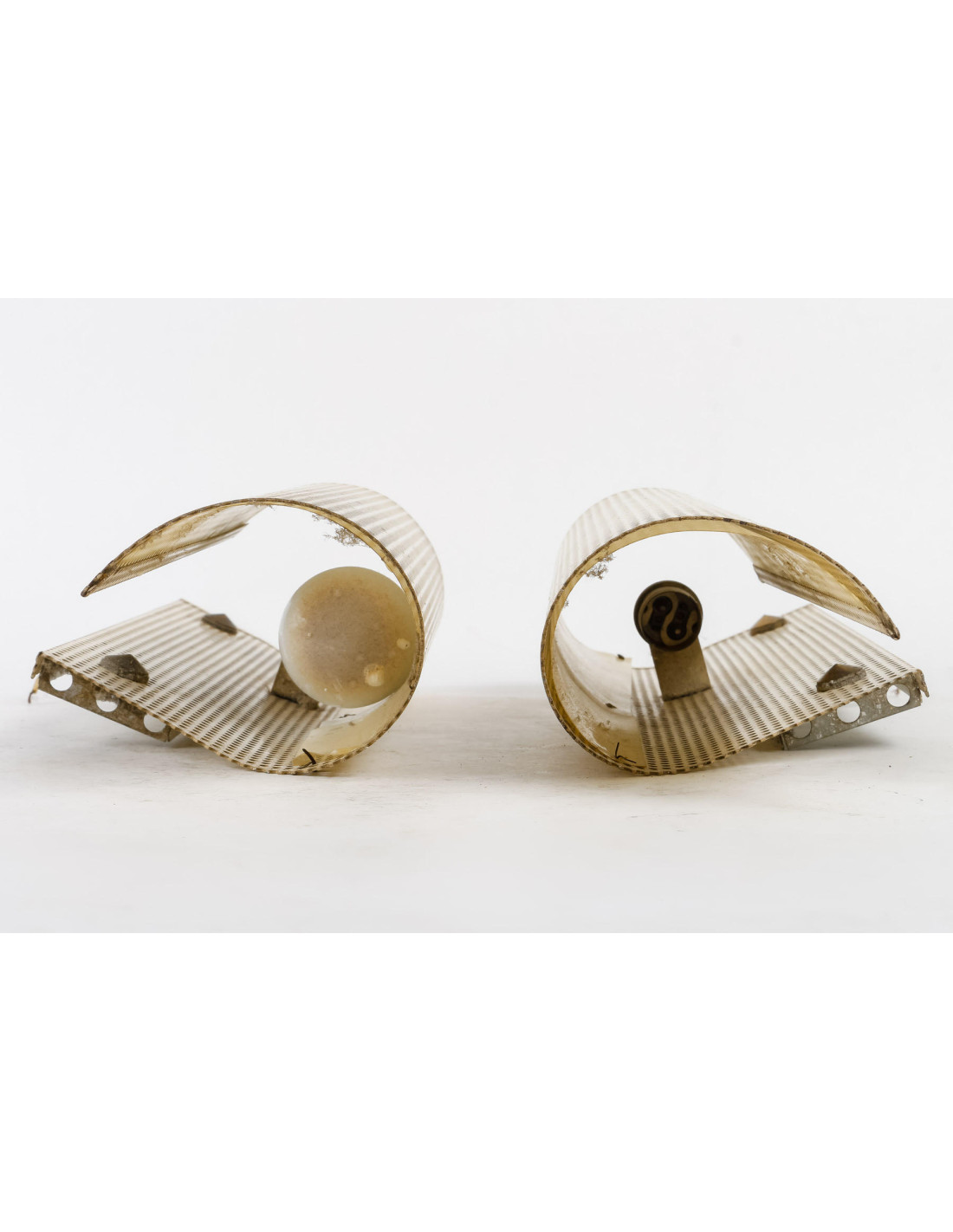
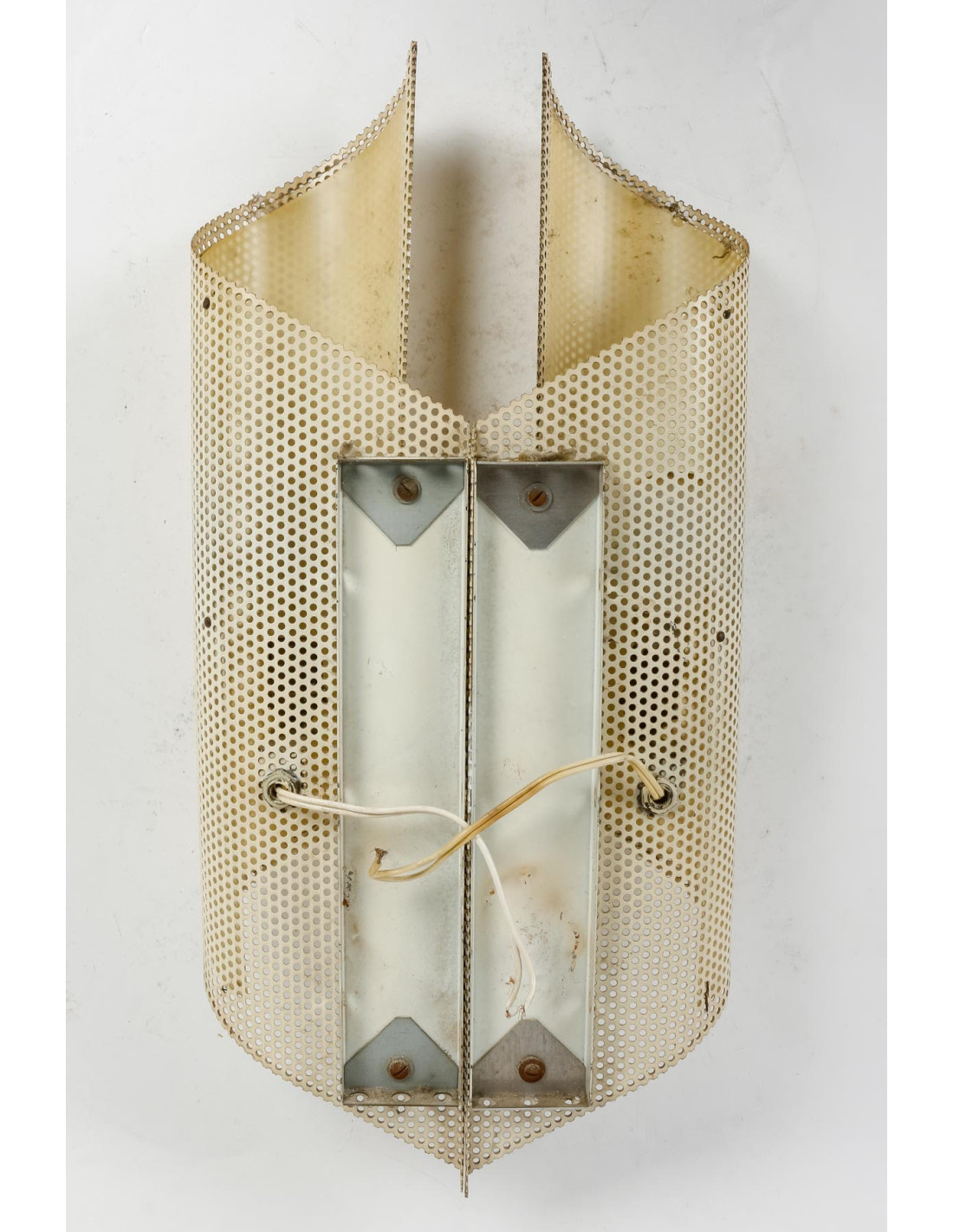
In the 1950s, Matégot develops a personal formal language based on the use of perforated metal, which he works like a supple material. He created a technique that he sometimes called " rigitulle "The process consists of folding, shaping or hanging perforated sheet metal to give it a visual lightness reminiscent of fabric. This process led to his best-known works, including the chair Nagasaki or the Copacabana, these pieces have become emblems of post-war modernist furniture.
His furniture is characterized by the combination of simple, industrial materials with light, graphic forms. Matégot designs tables, consoles, sideboards and lighting fixtures in which metal forms aerial silhouettes. His work met with considerable success, and his furniture was distributed throughout Europe. At the same time, he continued his research into textile art, begun in the 1930s.
From the early 1960s onwards, Mathieu Matégot gradually turned away from furniture to devote himself entirely to the contemporary tapestry. His abstract compositions, based on geometric shapes, colorful rhythms and controlled surface organization, are part of the revival of French tapestry in the second half of the 20th century. Numerous textile works have been produced for public buildings, institutions and private collections.
The work of Matégot is characterized by a great diversity of mediums: metal, rattan, formica, glass, wool and through consistent formal experimentation. His transition from industrial design to textile art testifies to his ability to think of space, object and material in terms of the same expressive demands. He died in 2001 in Angers, he left a body of work in which modernist furniture is in dialogue with an abundance of textile work, now widely recognized.