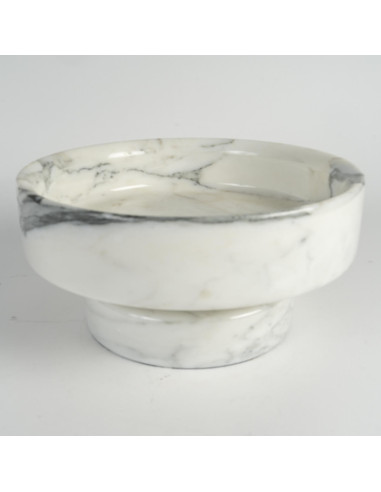
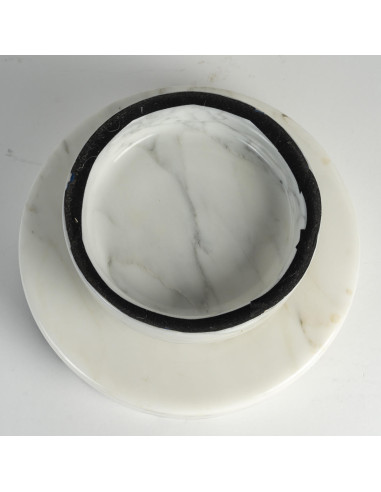
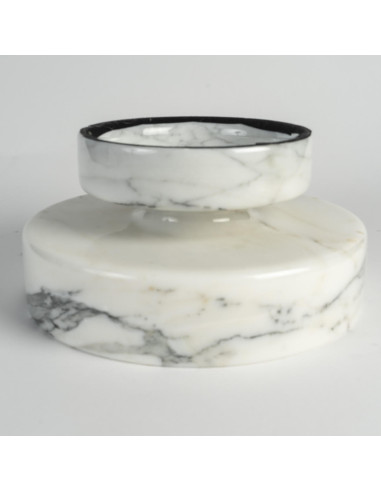
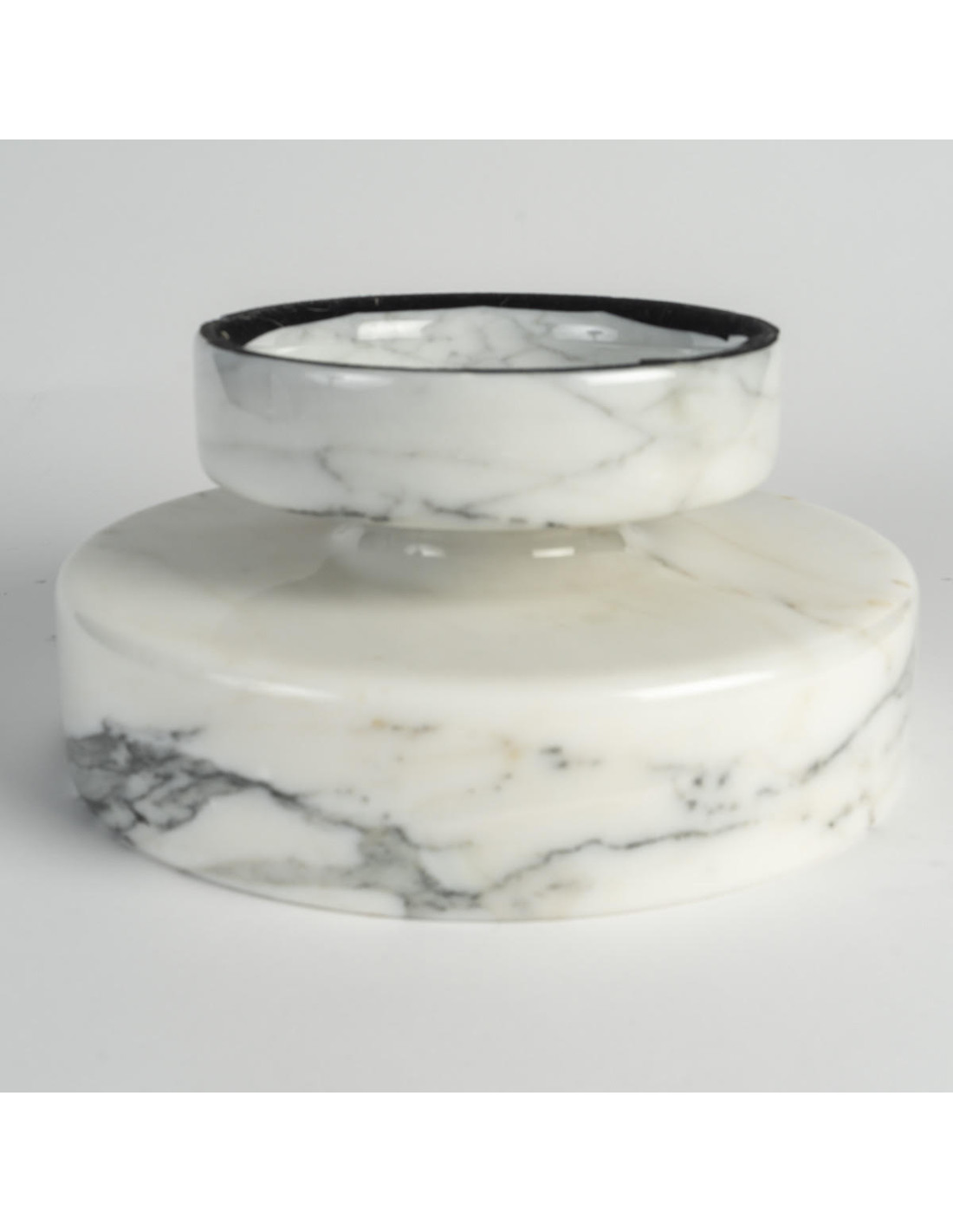
Knoll was founded in 1938, founded by Hans Knoll, heir to a European tradition of modern furniture. From the outset, the company has followed the principles of the modernism, at the time, the United States was undergoing a major transformation, with the aim of producing furniture that was rigorous, functional and adapted to contemporary architecture. The decisive turning point came with the arrival of Florence Schust Knoll, an architect and designer trained at Cranbrook Academy of Art and with major figures in the modern movement. His influence left a lasting mark on the aesthetic and structural identity of the house.
Florence Knoll introduced a new concept of the designer's role in interior design. She founded the Planning Unit, this innovative department brings together interior architecture, functional analysis, furniture design and workspace organisation. This global approach, designed to meet the needs of companies modernising, the Knoll brand, which was founded in 1949, helped to make Knoll a central player in the transformation of professional environments in the mid-20ᵉ century.
At the same time, Knoll is forging close links with leading architects and designers, including Ludwig Mies van der Rohe, , Marcel Breuer, , Eero Saarinen and Harry Bertoia. These collaborations gave birth to some of the most recognised pieces of modernist design, emblems of an aesthetic based on sobriety, purity of line and structural mastery. In particular, the company publishes and distributes chairs, tables and sculptures that have become inseparable from the history of 20th-century furniture.
Over the decades, Knoll has developed an international presence and asserted a strong visual identity, underpinned by exacting production standards and precise use of materials. The showrooms, located in several capital cities, serve as platforms for presenting furniture designed in direct relation to modernist architecture. The commitment of Florence Knoll in the company's artistic and strategic direction helps to make this coherence visible: each creation is seen as part of a wider spatial whole.
The expansion of the 1950s and 1960s established Knoll in the institutional landscape of design. Numerous companies, government departments and cultural institutions adopted the company's furniture, which gradually became part of permanent collections and public environments. Knoll's fidelity to modernist principles, combined with its ability to adapt to contemporary uses, strengthened its role in the history of furniture.
Today, Knoll remains closely linked to the heritage of the american modernist design while maintaining a production that is in dialogue with today's architecture and needs. Its re-editions and contemporary creations continue a tradition of exacting formal standards, controlled functionality and material quality. The company thus occupies an essential place in design culture, between heritage and continuity.